
If you want to see Australia’s natural wonders, Mamukala Observatory is the place to be. It is located in the heart of Kakadu National Park which is a great spot for wildlife watching. Watch Wildlife at the Mamukala Observatory and experience something that will change your life, giving you a deeper understanding of the amazing biodiversity of this region. The observatory has been built with different viewing platforms at strategic points, surrounded by lush wetlands and teeming with animals that it should be on every person’s bucket list who loves nature or wants to become an expert in this field. Every time you come here, there will always be something new waiting for you – from meeting colorful birds to catching rare mammals! In this article we are going to tell everything about what can be seen there: travel tips, best observation practices as well as some information about animals themselves.

Where Is Mamukala Observatory Located And How To Get There
Getting To Kakadu National Park
You should start your journey towards famous Kakadu National Park from one of the major cities nearby. The closest big city is Darwin which lies around 250 kilometers away and offers various means of transport such as rental cars or guided tours for tourists. The drive takes approximately three hours and provides picturesque views along the way so it won’t be boring at all! However if Alice Springs is where you’re coming from then get ready for a longer trip – about 1500 kilometers in total. There are also different companies that organize tours including transportation so getting into the park without driving too much shouldn’t be difficult either but keep an eye on road conditions which may change throughout the year.
How To Reach Mamukala Observatory
Once inside Kakadu National Park, follow its well-maintained roads until you reach Mamukala Observatory – it’s that simple! The observatory is situated in the eastern part of the park, about 10 kilometers off Arnhem Highway. There are signs leading to Mamukala so you won’t get lost and there is enough parking space available for all types of vehicles. People with disabilities were also taken into account during construction works – they can easily access this place because everything has been made barrier-free here. When you approach it, don’t be surprised by beautiful wetlands around – they are just a prelude to what awaits you!

What Can You Expect At Mamukala Observatory
The Design And Facilities Of The Observatory
Mamukala Observatory boasts well thought-out facilities that will make your wildlife watching more enjoyable. One of them is a large viewing platform which gives an opportunity to see colorful wetlands from above. Moreover, there are picnic areas where visitors can have their meals outdoors, public toilets for those who need them urgently and shaded seats if someone wants to take a rest but doesn’t want direct sunlight on their skin. All constructions were designed in such way as not to disturb natural environment greatly thus allowing animals live normally while giving people chance observe them responsibly. Families with kids will love interactive displays telling about local ecosystem too! In general, this place combines comfort with exciting nature experiences.
Best Times For Wildlife Observation
When it comes to wildlife observation at Mamukala Observatory timing matters a lot! Most active hours for animals are early morning and late afternoon so try not to miss these periods if possible. Also different species may appear depending on seasonality – during dry season (May-October) many creatures gather around water bodies making themselves more visible whereas wet season can surprise with its diversity due to migration of birds and flowering plants creating bright colors everywhere.

So, it is important to plan your visit based on what you want to see.
Wildlife Species You Can Observe
Birdwatching Opportunities
The Mamukala Observatory is famous for its great bird watching opportunities. Among the many different types of birds, Jabiru and Brolga are the most iconic representatives of the avian community in this area. With their large wingspans and unique appearances, these species are loved by bird watchers and photographers alike. Apart from these popular birds, there are also many migratory species that come here at different times of the year which means you can always expect something new. If you want to identify different species then it would be helpful if you bring binoculars and a field guide for birds with you while going for bird watching. Late afternoons are usually better because birds become more active during this time so plan your visit accordingly.

Other Wildlife in the Area
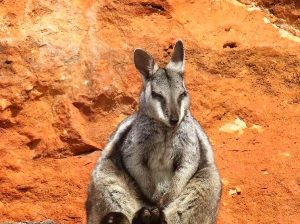
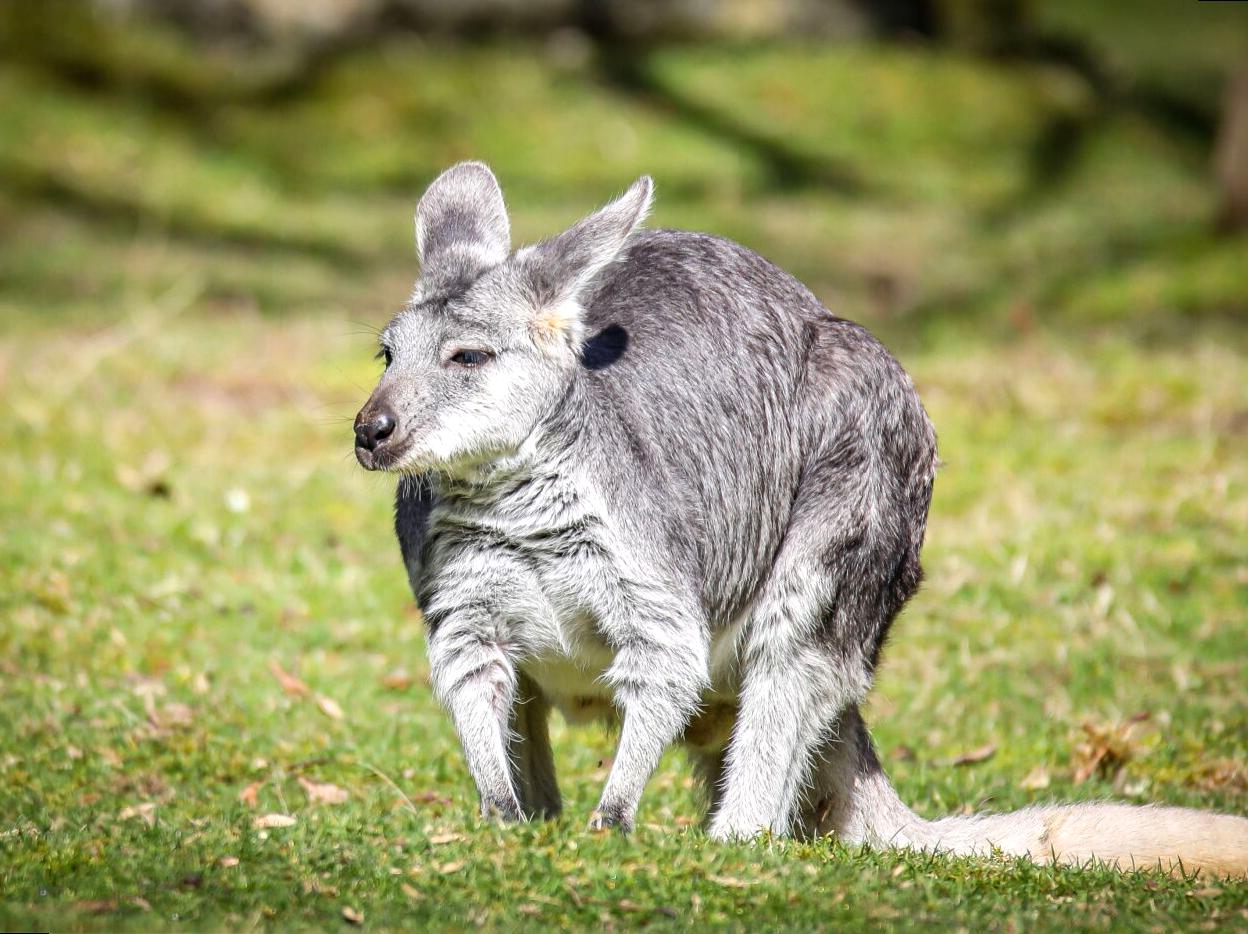
Although birds dominate at Mamukala Observatory, there is no shortage of other animals either which contributes towards making Kakadu one among Australia’s most biodiverse regions. Wallabies or agile rock kangaroos may cross your path as well. Reptiles such as crocodiles and various lizards can be seen in or around water bodies too while amphibians especially thrive during wet season when they have got plenty of places to hide hereabouts. Each time we see different parts of this complex web called life on earth through observing diverse forms around us therefore every trip becomes an educational journey.
Techniques for Effective Wildlife Observation
Essential Gear for Wildlife Viewing
In order to make the most out of your wildlife watching experience there are certain things that you need to carry along with yourself like good quality binoculars which will help in seeing animals from far away without disturbing their natural behavior. Also, if you have a camera with zoom lens then it can be very useful for taking pictures of different types of wildlife that may come across your path during this trip. Carrying field guide covering flora and fauna of Kakadu will further enhance our knowledge about environment we are going to visit. Wearing clothes in neutral colors is also advisable so as not to scare them away by sudden movements caused due to bright colored clothing. Do not forget to take enough water and snacks because sometimes we spend hours just watching.
Best Practices for Ethical Wildlife Watching
While watching animals there are some rules which should always be followed both for our own safety as well as theirs too. First thing is that we must keep ourselves at a safe distance from any animal and never try touching or feeding them because such actions can make them feel threatened or even worse provoke attack on us. This way stress level among these creatures will be minimized while preserving their natural behavior patterns intact. Always stay on marked trails and do not disturb habitats where they live otherwise it may disrupt delicate balance between different species living within same ecosystem hereabouts. Also, please take all your garbage back home with you after finishing picnic somewhere near observation point so that no traces left behind by humans could spoil pristine beauty of nature around us forevermore. Finally, learn more about each species encountered during visitation so that deeper understanding could develop towards them over time spent together out there in wild places like this one.
Conclusion
A visit to Mamukala Observatory located inside Kakadu National Park offers unmatched opportunities for connecting with nature and observing various forms of life on earth including birds, reptiles, mammals etc., all coexisting within same area but at different times throughout year due to migration patterns or other factors influencing their distribution here. This place is easily accessible, has high biodiversity levels and good infrastructure therefore anyone interested in wildlife watching should not miss it out. Mamukala will forever remain etched in memory as one of those rare places where even an ordinary person can feel like being part of something extraordinary happening around us every second while we are there. From numerous land-based creatures to those living underwater till breathtaking sceneries surrounding this facility – everything about it screams “amazing”. So pack your bags now!
Common Wildlife Visitation Times
| Month | Most Common Species | Best Time to See |
|---|---|---|
| May | Jabirus, Brolgas | Morning, Evening |
| June | Waterbirds, Wallabies | All day long |
| July | Crocodiles, Pelicans | Noon, Dusk |
| August | Wading Birds, Kangaroos | All day long |
Frequently Asked Questions (FAQs)
- What animals can I see at Mamukala Observatory? You will be able to see a range of wildlife including bird species such as Jabirus and Brolgas as well as mammals reptiles and amphibians that are native to the Kakadu region.
- What is the best time of year to visit Mamukala Observatory? The best time to visit is during the dry season (May-October) when there is more wildlife activity and it is easier to see them. However, bird watching is good all year round.
- Is there an entrance fee for the observatory? While there isn’t a specific fee for the observatory itself, Kakadu National Park does have an entry fee which goes towards preserving and maintaining the park.
- Are there guided tours available for wildlife watching at Mamukala? Yes, several tour operators offer guided wildlife watching tours in Kakadu that can enhance your experience by providing expert knowledge about the flora and fauna.
- What should I bring when visiting the observatory? We recommend bringing binoculars or a camera with zoom lens, plenty of water, sunscreen, insect repellent, and a field guide to help identify any animals or plants you come across.