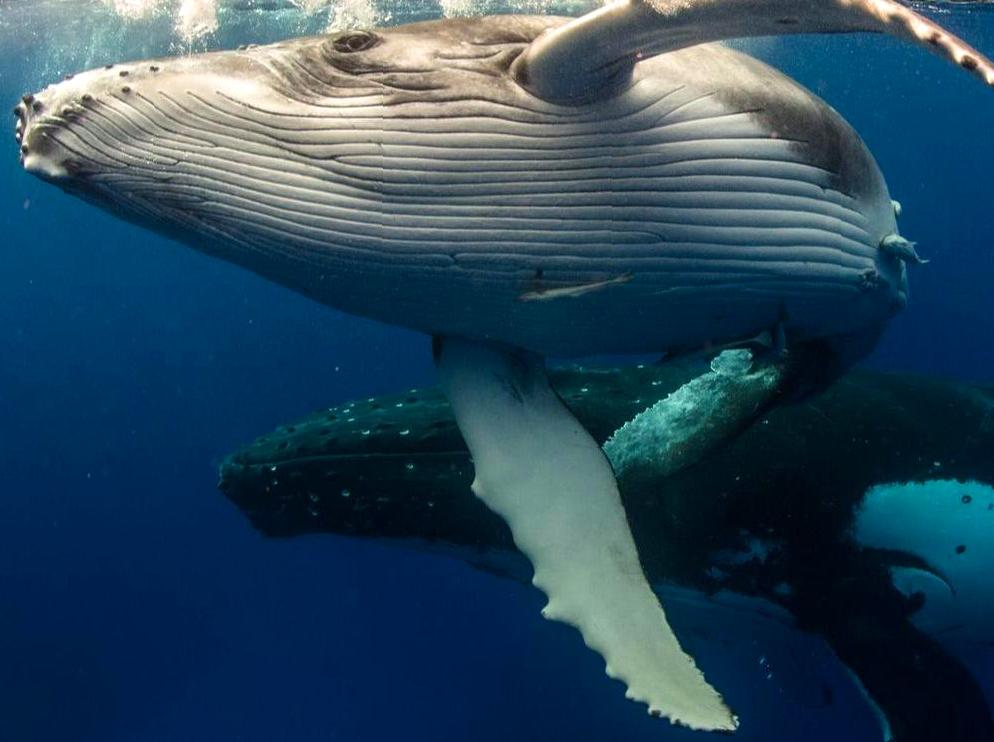

One of the most awe-inspiring natural events is the migration of humpback whales. These magnificent creatures travel vast distances across the oceans, and there are several prime locations where you can observe them in their full glory. In this article, we will explore where and how you can watch humpback whales during their migration.

Understanding Humpback Whale Migration
Humpback whales undertake one of the longest migrations of any mammal. Each year, they travel from their feeding grounds in the polar regions to warmer tropical waters where they mate and give birth. This journey can span thousands of miles, and it is driven by the need to take advantage of rich feeding grounds as well as safe and warm calving areas. Typically, humpback whales begin their migration in late fall and early winter, heading towards tropical waters, and return to their feeding grounds in the spring.
Best Locations to Watch Humpback Whales

Several locations around the world offer the best opportunities for whale watching. Some of the top spots include:
- Maui, Hawaii: Here, whales can be seen from December to April, particularly around the Auau Channel.
- Alaska: Head to the Inside Passage from May to September for breathtaking views of these giants.
- Hervey Bay, Australia: Visit from July to November when whales stopover during their migration.
- Monterey Bay, California: This location offers year-round sightings, but the best time is during their migration periods from April to December.
- Reykjavik, Iceland: The waters around Iceland are teeming with humpback whales during the summer months.
What to Expect During a Whale Watching Tour

Whale watching tours offer a unique and memorable experience. When you embark on a whale watching tour, expect to spend several hours out on the water, with knowledgeable guides who can provide insights into whale behavior and ecology. It’s important to bring warm clothing, binoculars, and a camera. Respect for marine life is paramount; most tours follow guidelines to minimize disturbance to the whales. Seeing a humpback whale breach, tail slap, or fluke dive can be a once-in-a-lifetime experience that leaves a lasting impression.
Photography Tips for Capturing Humpback Whales
Capturing the perfect shot of a humpback whale requires patience and a few photography tips. First, use a telephoto lens to get close-up shots without disturbing the whales. Continuous shooting mode (burst mode) can help capture those fleeting moments when a whale breaches or slaps its tail. Keep the camera ready at all times, as humpback whales can appear suddenly. Light conditions are crucial; early morning and late afternoon often provide the best lighting. Lastly, don’t forget to take a few moments to enjoy the experience without the viewfinder!

Conservation Efforts and Responsible Whale Watching
Conservation is a critical aspect of whale watching. Humpback whales were once endangered due to whaling but have made a remarkable comeback thanks to international conservation efforts. When watching whales, ensure you choose tours that adhere to responsible and eco-friendly guidelines. These guidelines include maintaining safe distances, not chasing or harassing the animals, and educating participants about the importance of whale conservation. By supporting responsible tour operators, you are contributing to the protection and preservation of these magnificent creatures.
Conclusion
Observing humpback whales during their migration is an extraordinary experience that brings you closer to one of nature’s most magnificent spectacles. By understanding their migration patterns, choosing the best locations, and following responsible whale watching practices, you can enjoy this natural wonder while contributing to the conservation of humpback whales. Prepare well, respect these majestic animals, and cherish the unforgettable moments spent in their presence.
FAQ
1. What time of year can you see humpback whales?
Humpback whale migration typically occurs from late fall to early spring. Depending on the location, the best times can vary. For example, whales can be seen in Hawaii from December to April and in Alaska from May to September.
2. What should I bring on a whale watching tour?
It is important to bring warm clothing, binoculars, a camera, sunscreen, and perhaps seasickness medication. Always check with your tour operator for any specific recommendations.
3. How close can you get to humpback whales?
Most responsible whale watching guidelines recommend maintaining a distance of at least 100 yards (91 meters) from the whales to avoid disturbing them. Boats should never chase or encircle whales.
4. Are whale watching tours safe?
Yes, whale watching tours are generally safe when conducted by professional and responsible operators. These operators follow strict guidelines to ensure the safety of both passengers and the whales themselves.
5. Can humpback whales be seen year-round?
While humpback whales migrate seasonally, some locations offer year-round sightings due to overlapping migration routes or resident populations. For example, Monterey Bay in California can offer whale sightings throughout the year.