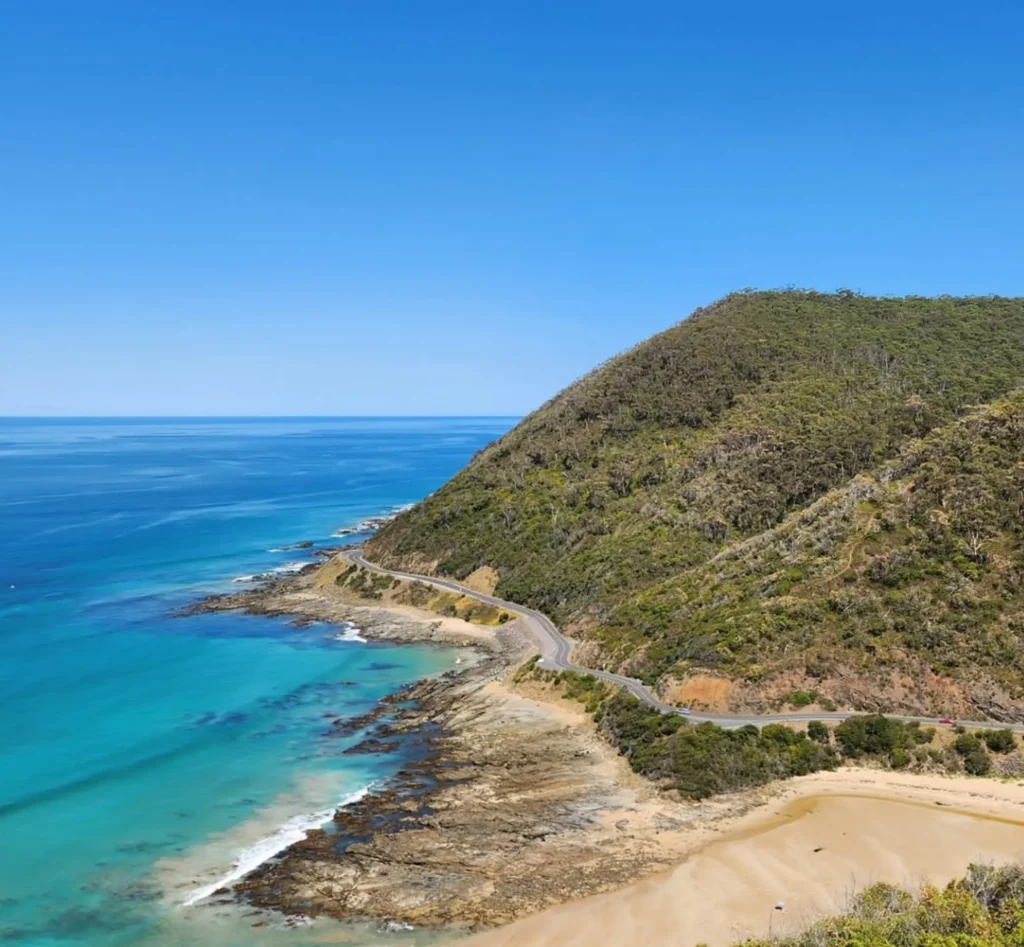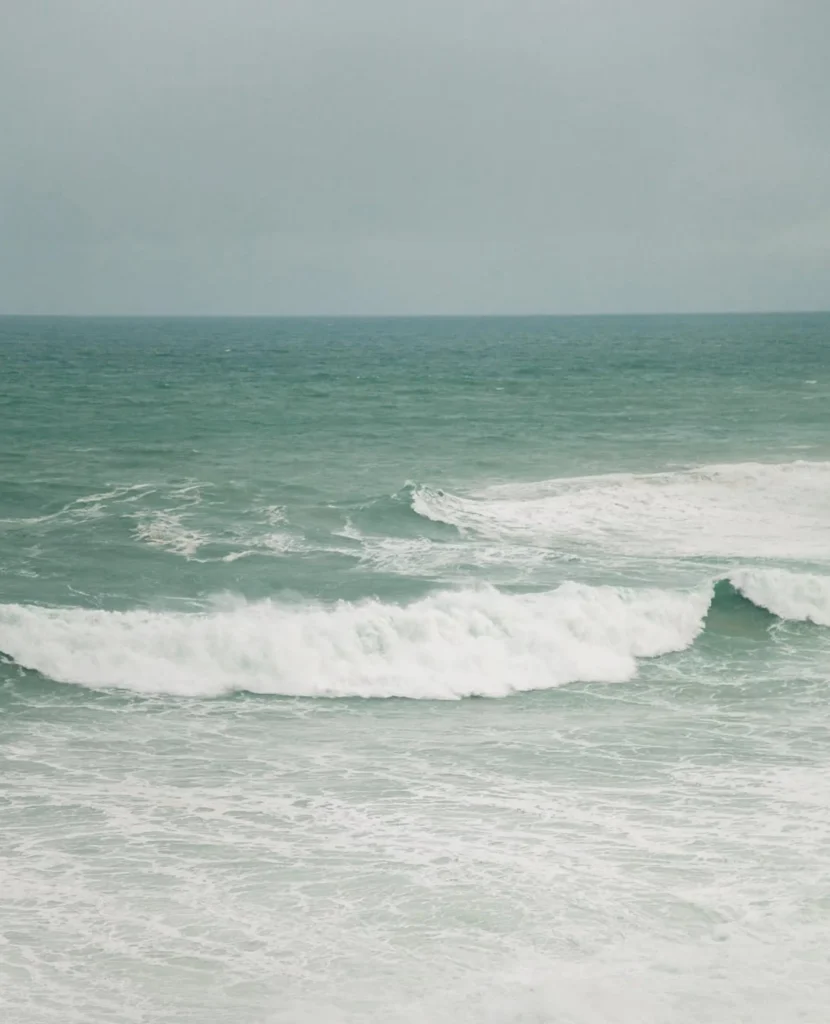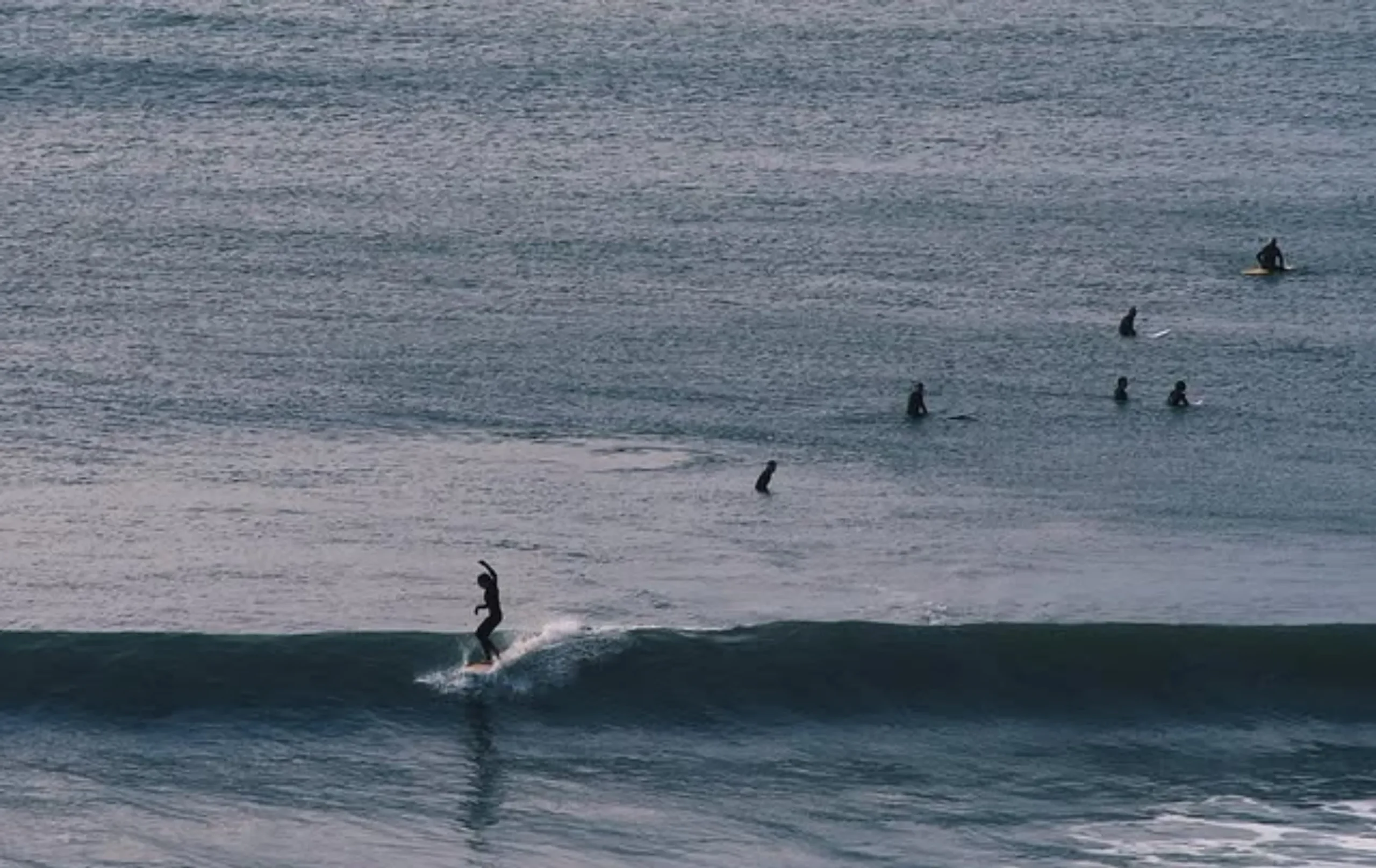

What are the best extreme sports on the Great Ocean Road in 2026? Straight-up answer: Surfing at Bells Beach is still the top dog, followed closely by skydiving over the Twelve Apostles, coasteering near Cape Otway, Great Ocean Walk, and Shipwreck Coast’s rough waters. Don’t just take my word for it – these are activities that are shaped by the real deal conditions on the ground – think Apollo Bay, the Twelve Apostles and the rugged bits of Port Campbell National Park in 2026.
I’ve lost count of how many times I’ve driven along the Great Ocean Road, and I can tell you, it’s not just a pretty view – it’s a playground waiting to be explored. From the Otway Ranges all the way down to the Bay of Islands, there’s adventure to be had – whether you’re on a guided tour or taking on the Melbourne to Great Ocean Road driving job, be prepared for wind that’ll strip your hat off, surf that’ll put you in your place and tracks that’ll leave your legs burning.
Where The Real Action Lives (And Why It’s Worth The Effort)
This coastline is built for hardy visitors, not the faint of heart. The Southern Ocean is a wild beast – it throws waves, wind, salt and the occasional freak weather system at you – think Wye River, Cape Patton Lookout and beyond.
By 2026, demand for coastal adventure in Victoria had really taken off, and places like Bells Beach, the Great Otway National Park and Port Campbell National Park were seeing an awful lot of action. More and more people are now combining guided tours with their journey along the Great Ocean Road in Melbourne, often booking through operators like Autopia Tours to sort out the logistics and get on with the adventure.
Surfing Bells Beach — The Real Deal, Not The Instagram Version
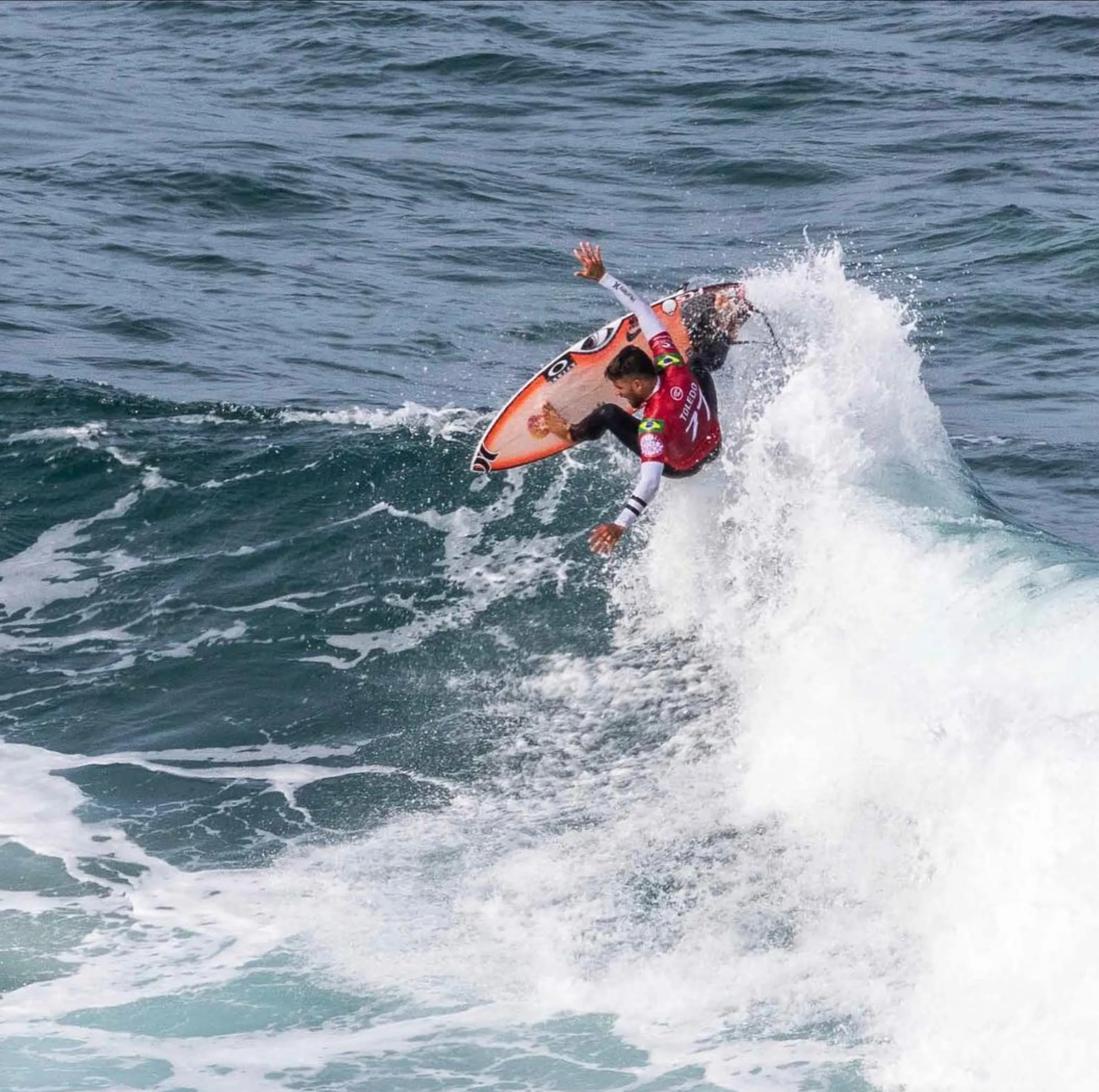
If you’re serious about your surfing, then Bells Beach near Torquay is the place to be. It’s one of Australia’s most famous surf spots, with decent swell sizes, the Ripcurl Pro and tons of surf culture backing it up.
The Lowdown:
Swell size – usually around 1.5-3 metres (and getting bigger in winter!).
Best time to go – March to October.
Conditions are a bit of a mixed bag – reef breaks and sandy spots depending on the swell direction.
I once paddled out there thinking it was gonna be a chill day and got rolled twice for my trouble. Now I pretend to be okay with it.
Local tip:
Early morning surf is usually cleaner and way less crowded.
Watch out for the rips – they’re sneaky and strong.
The Split Point Lighthouse nearby gives you a great view of the swell before you commit.
If time’s tight, some Great Ocean Road tours from Melbourne will swing through Torquay so you can get a look at the surf before heading on down the coast.st. tours from Melbourne
Skydiving Over The Twelve Apostles — Big Views, Bigger Adrenaline
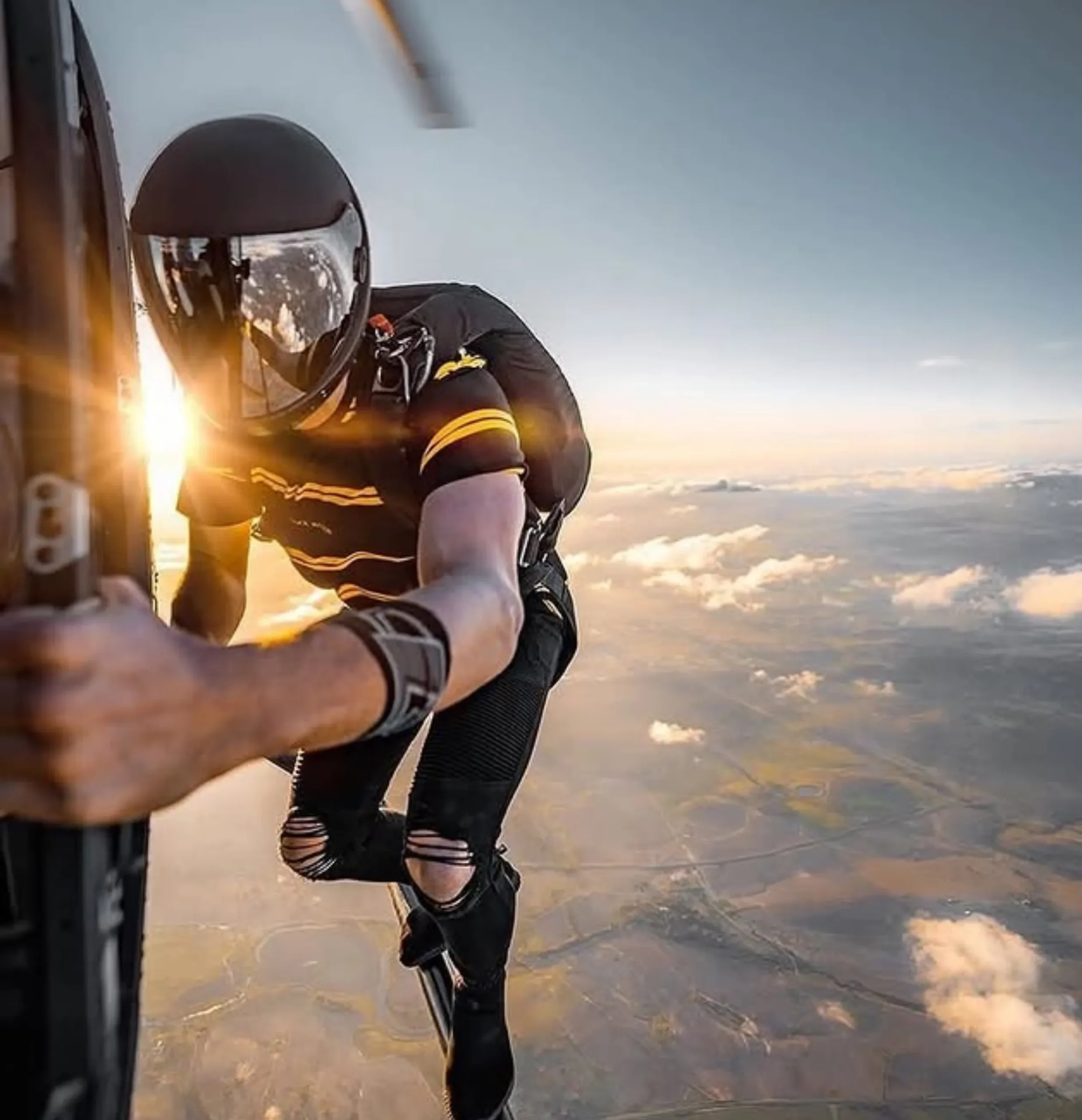
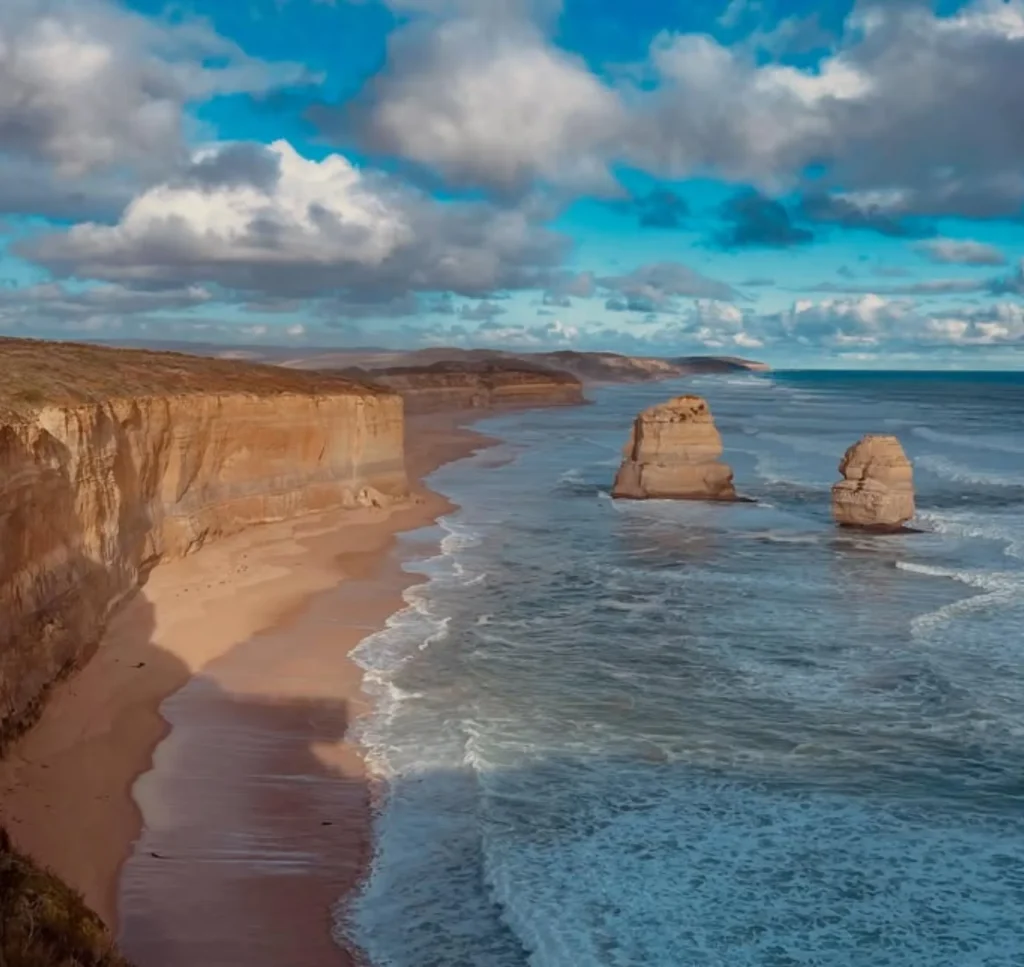
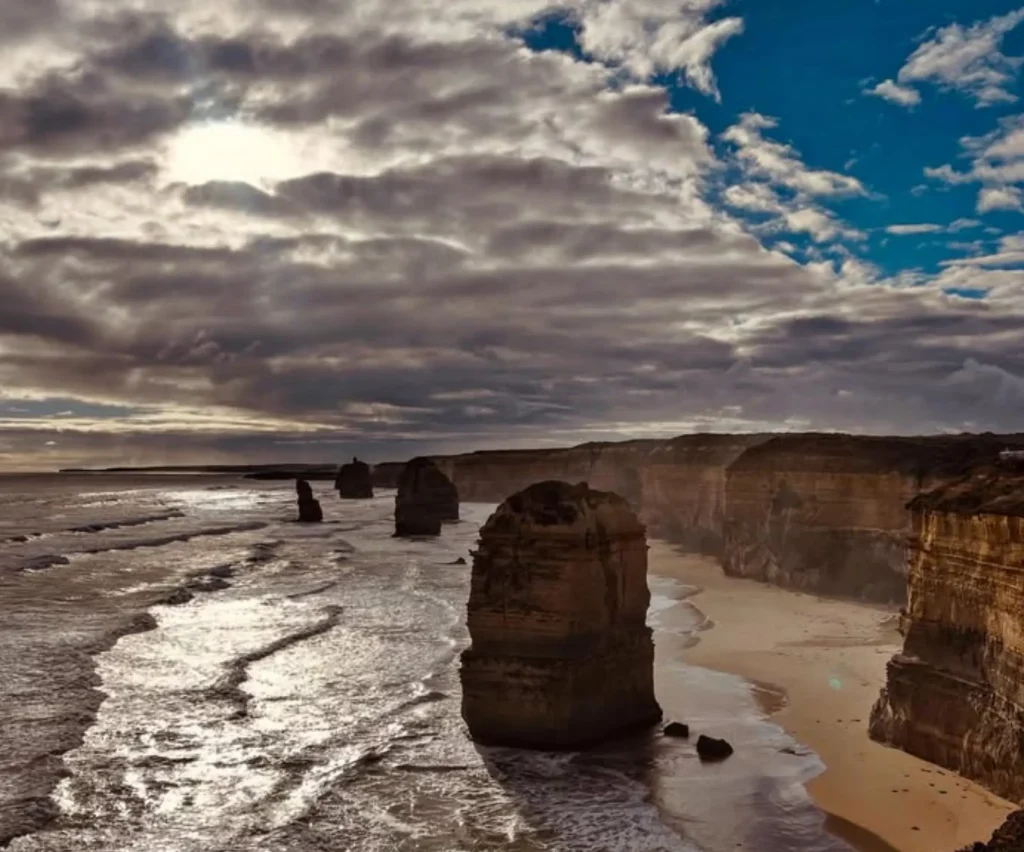
Jumping out of a plane over the Twelve Apostles and Loch Ard Gorge isn’t something you do on a whim – it’s a serious, weather-dependent experience. You’ll be free-falling at top speed over limestone stacks, the Southern Ocean, and some of the wildest bits of Port Campbell National Park.
Stats worth knowing:
You’ll be plummeting through the air at about 200 km/h.
The jump is from altitudes between 12,000 and 15,000 feet.
You’ll get a bird’s eye view of iconic spots like London Arch, Gibson Steps, and the Shipwreck Coast.
This is the kind of experience people add on to a Great Ocean Road tour – it gives you time to line up the weather and not feel rushed.
Checklist:
Book well in advance so you don’t miss out.
This one’s weather-dependent – don’t do it in a storm!
There are weight limits, so check those before booking.
Coasteering Near Cape Otway — Wild, Wet, And Underrated
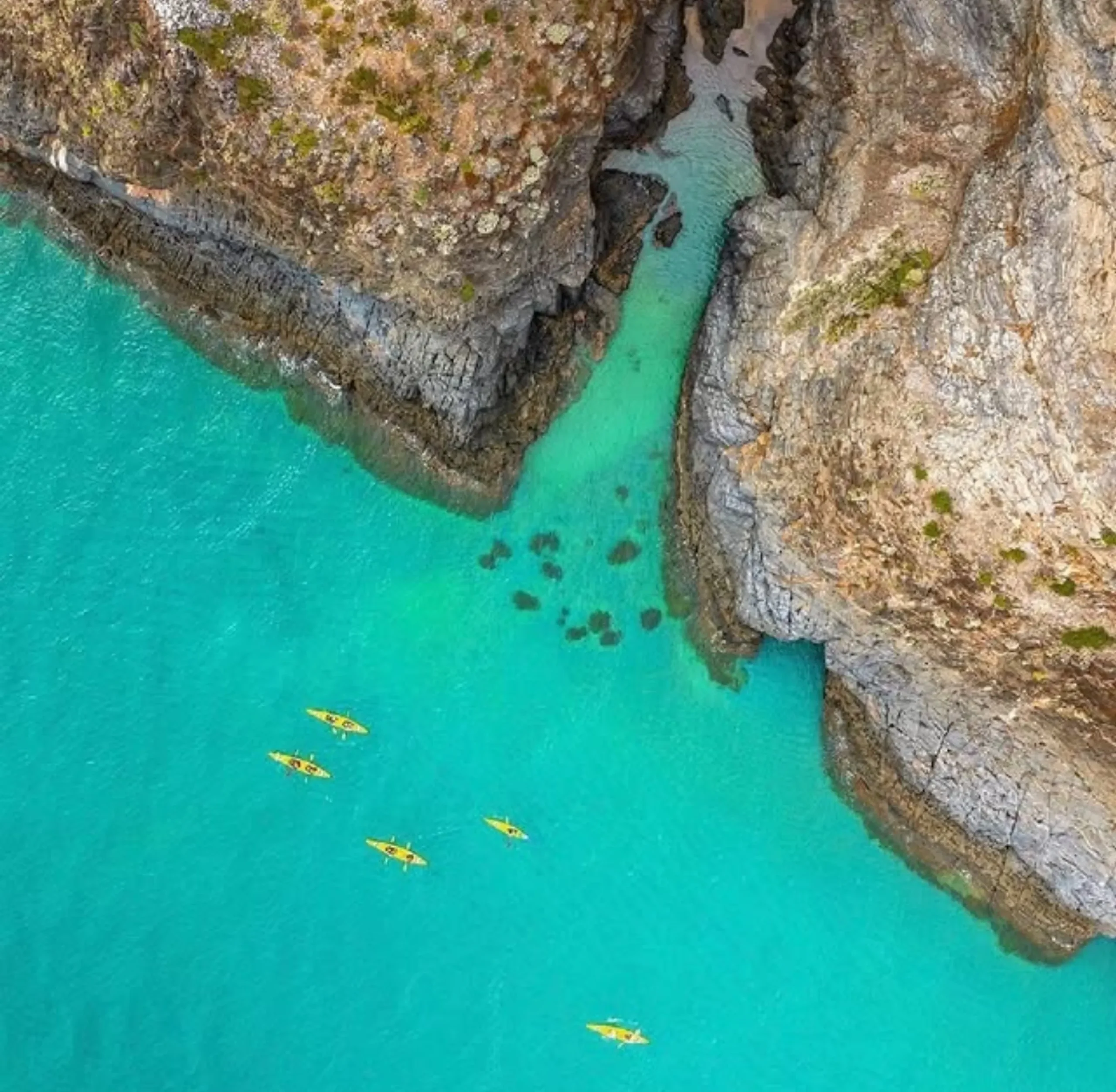
Coasteering is still a relatively new kid on the block here – but it won’t stay under the radar for long. When you coast around Cape Otway and Devil’s Elbow, it’s all about navigating raw coastline with no fixed path to follow.
What makes it different:
It’s a fusion of rock climbing, ocean swimming, and cliff jumps – all in one go.
You’ll be doing this in the stunning Great Otway National Park.
There’s constant exposure to swell, so be prepared for a wild ride.
I learned the hard way to respect the swell here – a quick dunk and a bruised ego were my reward for underestimating it.
Some travellers like to book these experiences separately and use a Melbourne to Great Ocean Road tour 2 days as their transport base – that way they can keep things simple.
Hiking The Great Ocean Walk — Not Just A Casual Stroll
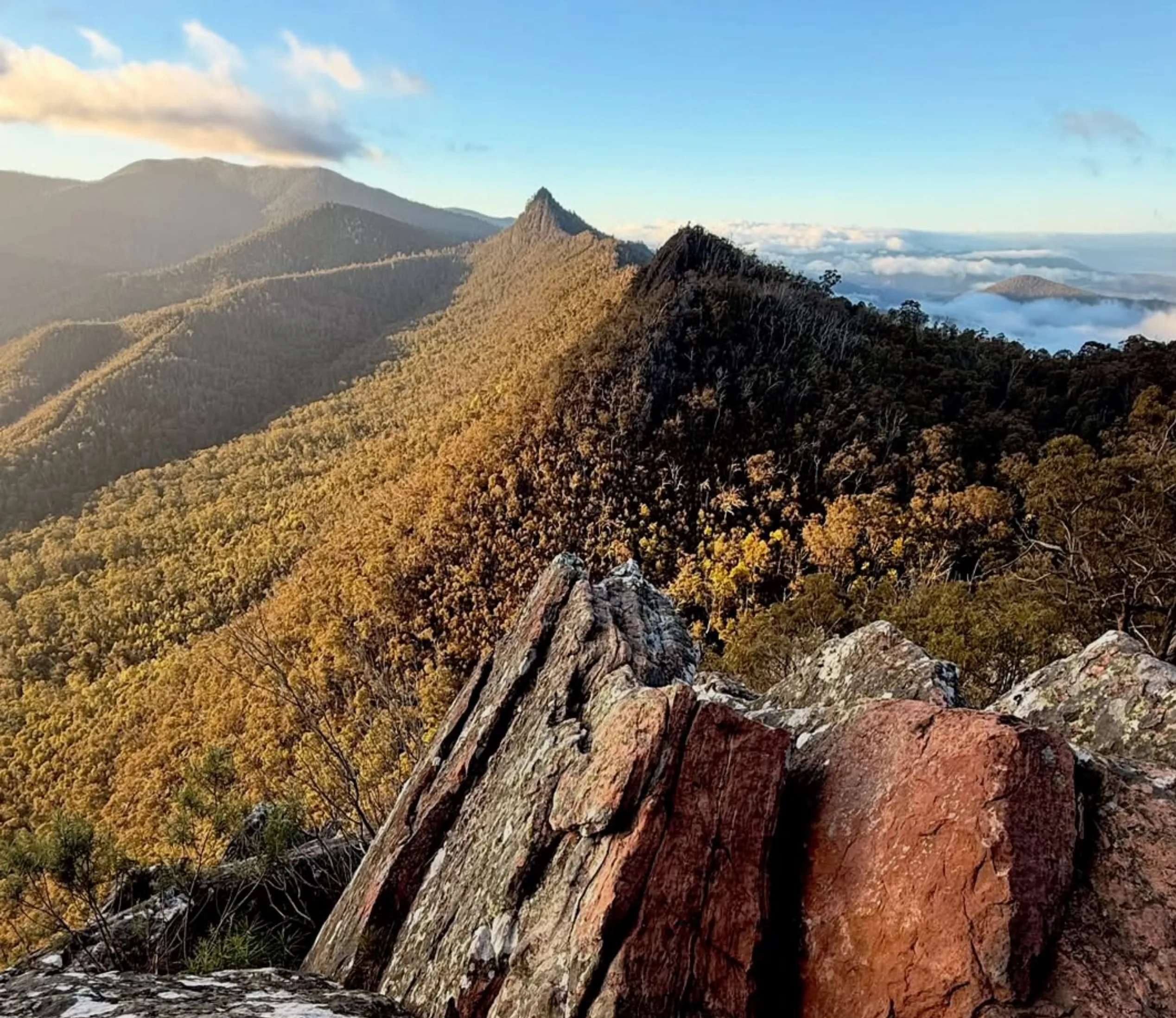
When people hear “walk”, they often think it’s a casual affair. But it’s not. The Great Ocean Walk is a 110-kilometre hike from Apollo Bay to the Twelve Apostles, cutting through Otway National Park and over some wild coastal cliffs.
What you’re dealing with:
It’s a multi-day hike (six to eight days is the norm).
There are remote sections near Wye River and Cape Patton Lookout – these are no joke.
You’ll be exposed to the elements, cliffs, and long distances – so be prepared.
Key sections for adrenaline:
Keep an eye out for Wreck Beach descent.
Moonlight Head cliffs are not to be missed.
And don’t even get me started on the remote coastal stretches – these will push you to your limits.
Pack like you mean it:
Pack proper boots.
Bring enough water (2-3 litres a day is a good rule of thumb).
And don’t forget your weather gear.
If you’re new to this kind of thing, some Great Ocean Road tours from Melbourne offer shorter, guided walk sections – that way you can dip your toes in before committing to the full thing.
Sea Kayaking The Shipwreck Coast — Calm On Top, Chaos Below
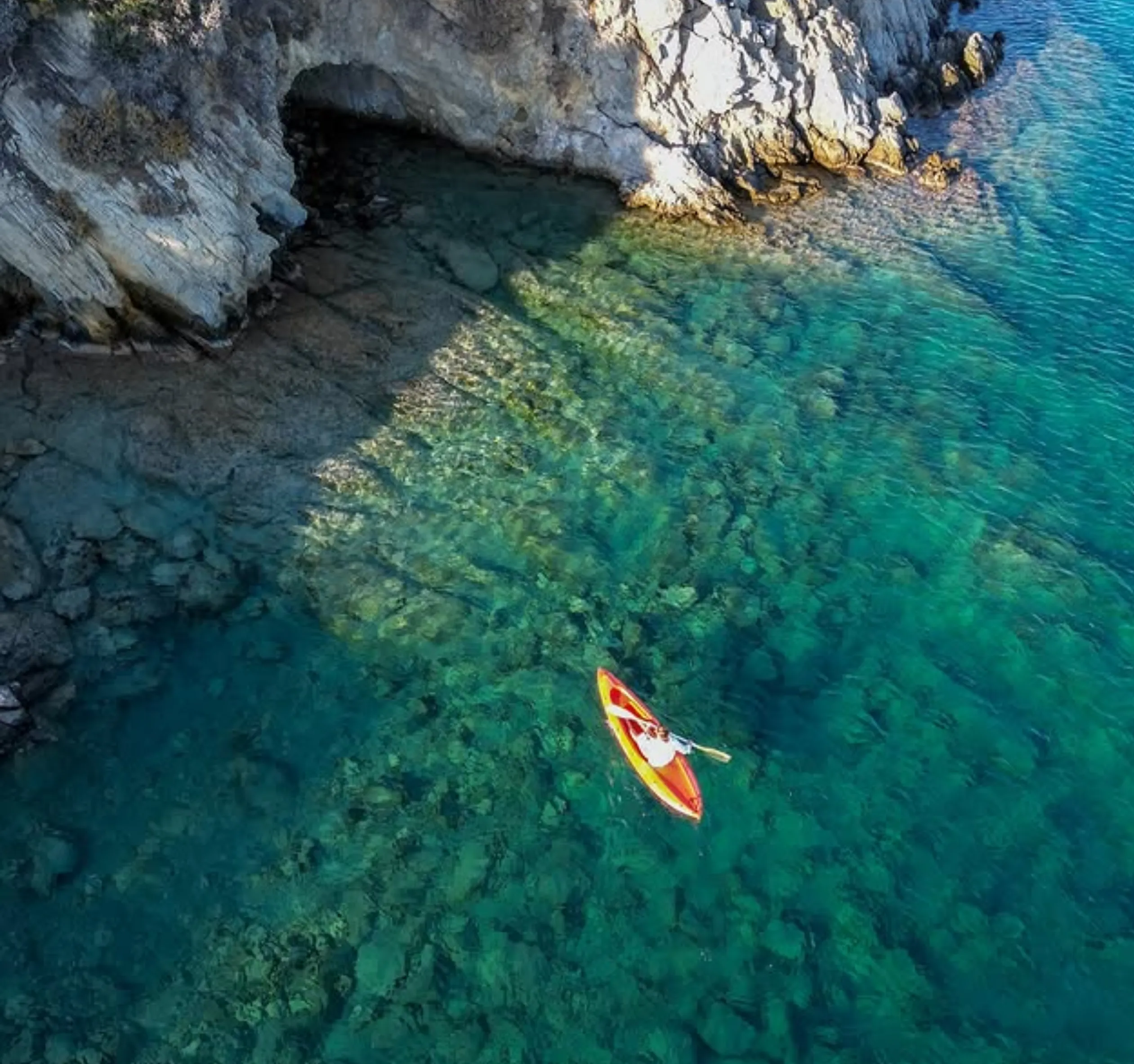
From the road, the ocean might look calm and peaceful. But down on the water near Loch Ard Gorge and London Arch – it’s a different story altogether.
Sea kayaking this stretch puts you right up against cliffs that have been carved by millions of years of swell.
Conditions matter here:
Try to go on days with low winds (less than 15 km/h).
And ideally, the swell should be under a metre.
If you can, go with a guided tour – this is one way to be safe.
You’ll quickly see why over seven hundred ships met their end here – the conditions are rough, to say the least.
Some operators – including those partnered with Autopia Tours – can help you organise these add-ons if you’re doing a structured Great Ocean Road tour in Melbourne.
Comparing The Top Extreme Sports
Here’s a practical breakdown so you can plan without guessing:
Activity Skill Level Typical Cost (AUD) Best Season Risk Level
Surfing (Bells Beach) Intermediate–Advanced $80–$150 lesson Autumn–Winter High
Skydiving (Twelve Apostles) Beginner OK $350–$500 Year-round High
Coasteering (Cape Otway) Intermediate $180–$300 Summer–Autumn High
Great Ocean Walk Hiking Moderate–Advanced $0–$80/day Spring–Autumn Medium–High
Sea Kayaking (Shipwreck Coast) Beginner–Intermediate $120–$250 Summer Medium
Costs are approximate as of 2026.
Timing Your Trip Right (Because Weather Runs The Show)
The Great Ocean Road doesn’t care much about your plans – it’ll do what it wants, and you’d best follow along.
Seasonal lowdown
Summer: This is when the sea comes alive for kayaking and water sports.
Autumn: Bells Beach is buzzing with surfers.
Winter: Get ready for some seriously big swells – but only if you’re an experienced surfer.
Spring: This is when the mix of hiking and exploring really starts to come together.
Watch for:
Unpredictable wind changes, for starters
Coastal closures – it’s not uncommon
Swell shifts – the ocean’s always on the move
Even on a tour of the Great Ocean Road from Melbourne, your plans can get put on hold because of the conditions – but that’s just part of the adventure.
Practical Planning Tips From The Road
You don’t need to be some kind of wilderness expert, but a bit of planning helps – big time.
Checklist:
Make sure you know the current road conditions.
Fill up the tank before Apollo Bay – you don’t want to get stuck with a dodgy fuel gauge.
Get some offline maps on your phone.
Book any must-do activities well in advance.
Keep an eye out for National Parks signs – don’t want to get fined!
Trying to cram everything into one 2-day trip down the Great Ocean Road? You’ll end up feeling rushed, and that’s just not worth it. Pick 2 or 3 things you really want to do and do them properly, rather than rushing through the whole thing.
Final Thoughts From Paul — Is It Worth It?
The short answer: absolutely – if you’re willing to put in the effort.
The Great Ocean Road is a real wild child – raw, unpredictable and unforgettable. Whether you’re going solo or joining a tour, the key is just to take your time and not underestimate it.
If you want a proper adventure, with surfing reef breaks, tackling some seriously coastal hikes, or pushing yourself through coasteering and kayaking, this stretch delivers big time.
FAQ
Do I need to be an expert for most of the activities?
Not always. Skydiving and guided kayaking are great for beginners. Surfing and coasteering, on the other hand, need a bit more skill under your belt.
Is it safe to pack multiple extreme sports on one trip?
Yes, but just don’t try to cram them all in on one day. Fatigue is a real risk-taker here.
What’s the best place to base yourself for all the adventure activities?
Apollo Bay is central, Torquay is the surfing hub, and Port Campbell is ideal for getting to the coast.
Do I need permits for hiking and activities?
Yeah, camping permits are needed for the Great Ocean Walk. Guided tours usually sort out any other necessary permits for you.
What’s the biggest risk people tend to underestimate?
The ocean – it’s an unpredictable beast, especially around reef breaks and exposed coastline.