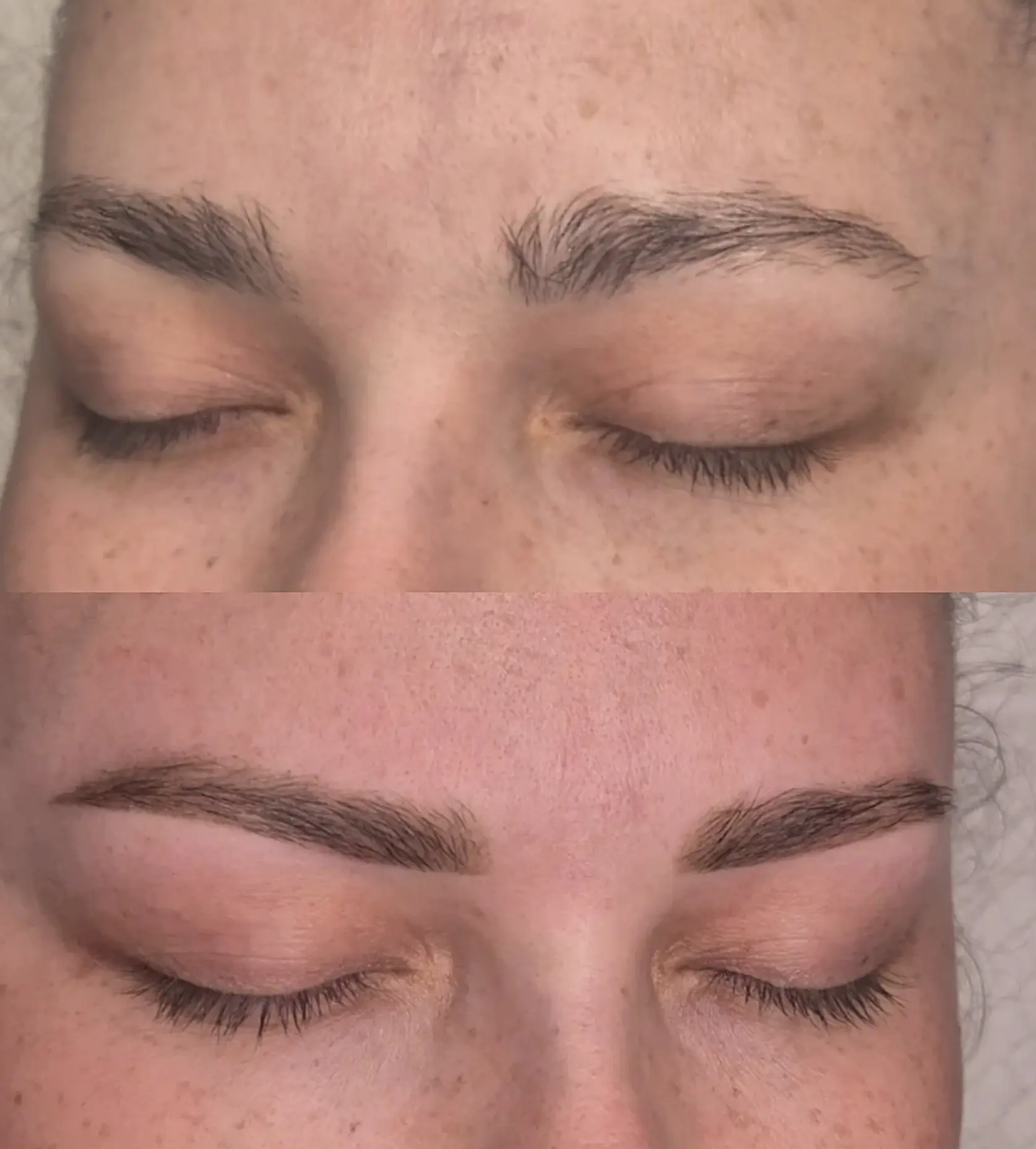

The article New VIC health regulations for home-based PMU studios 2026 has been making headlines with my clients and me lately – and that’s because these changes aren’t just a piece of paperwork that you can tick off the list. They are actually about compliance, client safety & your reputation as a cosmetic tattooist.
I’ve been living in Melbourne for a while now, and I’ve seen a big shift in how people work. More and more artists are moving to flexible setups that let them work from home and combine it with beauty therapy services. Sounds pretty appealing – until you stop to think about just how different it really is from running a beauty room – because as soon as you’re cutting into someone’s skin, that’s a whole different ball game.
At Cosmetic Tattoo Studio Melbourne Face Figurati, we’ve always treated our clients as if they were in a proper clinic. Whether you’re just starting & getting cosmetic tattoo training or you’re taking in clients for treatments, the rule is the same – safety always comes first.
Authorities Are Increasing Oversight On Residential Studios
And honestly, these new rules weren’t just introduced out of the blue – they’ve been needed for years.
Services that involve poking holes in someone’s skin carry a lot of risk – even just a tiny bit of dirt can cause a major infection, and you can’t afford to cut any corners with hygiene.
I’ve seen it myself – some home setups are basically clinics in disguise, but others are missing whole chunks of safety procedure. The inconsistency is just driving the need for these new regulations across the industry – so infection prevention and control are finally on the same page everywhere.
How Your Home Setup Gets Classified
And here’s where lots of artists get caught out.
If you’re running a business from home – even if you’ve just finished a microblading training – you’re operating in a regulated environment.
And that means:
- Your space gets assessed as a proper treatment facility
- Your services fall into the category of skin-penetration procedures
- And your business has to follow the same industry rules as everyone else
Depending on your council, you might also need to sort out a planning permit, get your property assessed and make sure your business is properly registered.
It’s not just a casual setup anymore – it’s a serious job.
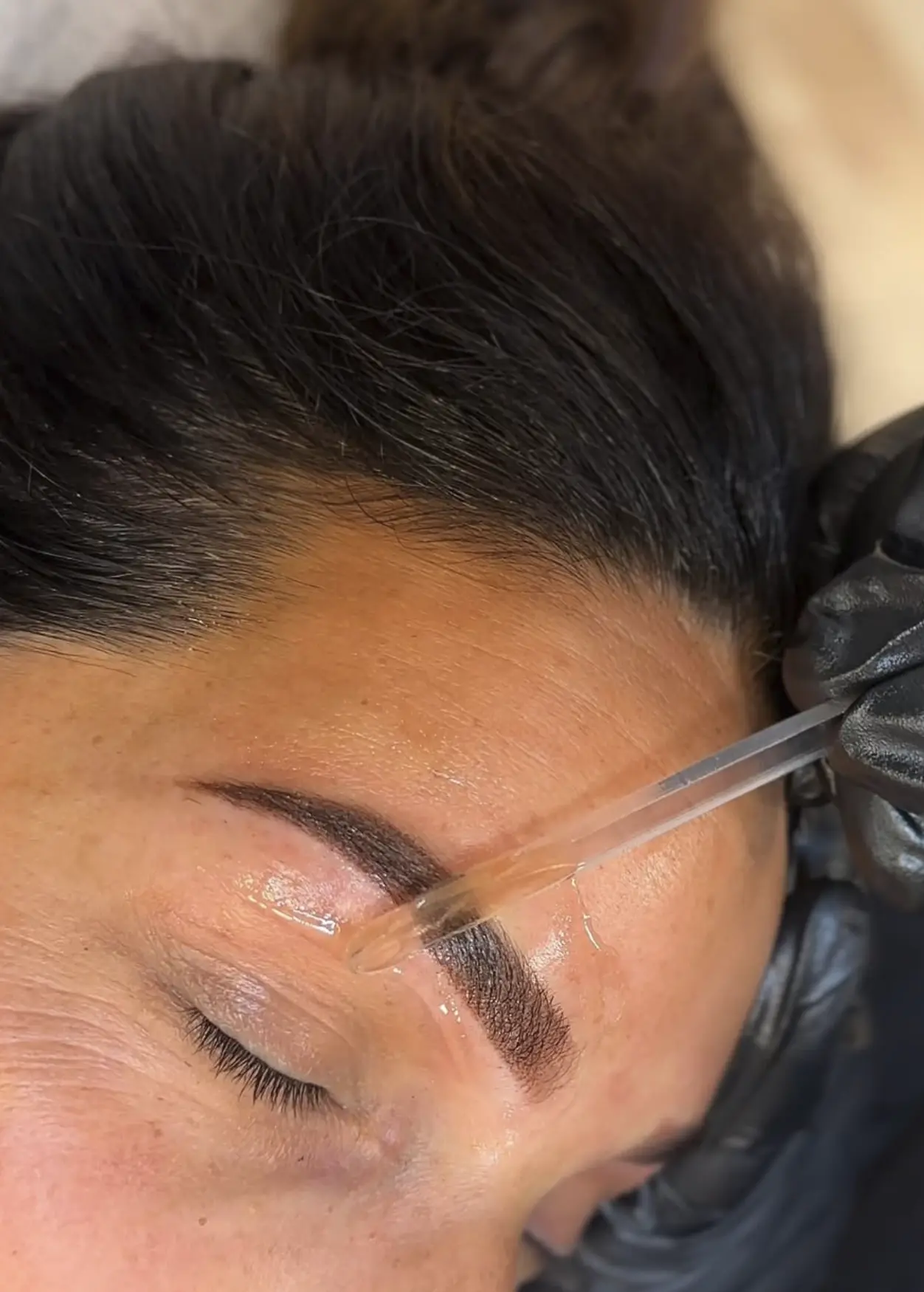
What You Need In Place Before You Can Legally Operate
This is where most small businesses feel overwhelmed — but once you understand the structure, it’s manageable.
Core Requirements Under VIC 2026 Updates
| Requirement | What It Means In Practice | Why It Matters |
|---|---|---|
| Business Registration | Formal registration as a home-based service provider | Legal protection |
| Council Approval | Local authority approval before opening | Avoid penalties |
| Infection Control Certification | Verified training in hygiene and safety | Client protection |
| Hygiene Procedures | Documented cleaning and disinfection systems | Reduces infection risks |
| Sterilisation Standards | Approved sterilisation methods | Prevents contamination |
| Record Keeping | Client consent and medical history tracking | Legal compliance |
Most councils provide information sheets and clear expectations — skipping these is where problems start.
What Happens During A Council Inspection
Let me give you a real-life example.
I had a technician come to me after failing her inspection. She’d spent a small fortune on a top-notch setup after completing a fine line tattooing course. But when the inspectors showed up, it wasn’t the place’s appearance they were after.
They picked up on a few things – a complete lack of documented infection control procedures.
No clear cleaning logs to show for herself
A right old mess when it came to waste handling
That’s all it took.
Inspectors are not here to look at how pretty the room is. They want to see if you have a handle on maintaining daily hygiene. They’re looking for evidence that you understand the risks of infection, not just that the room looks spotless.
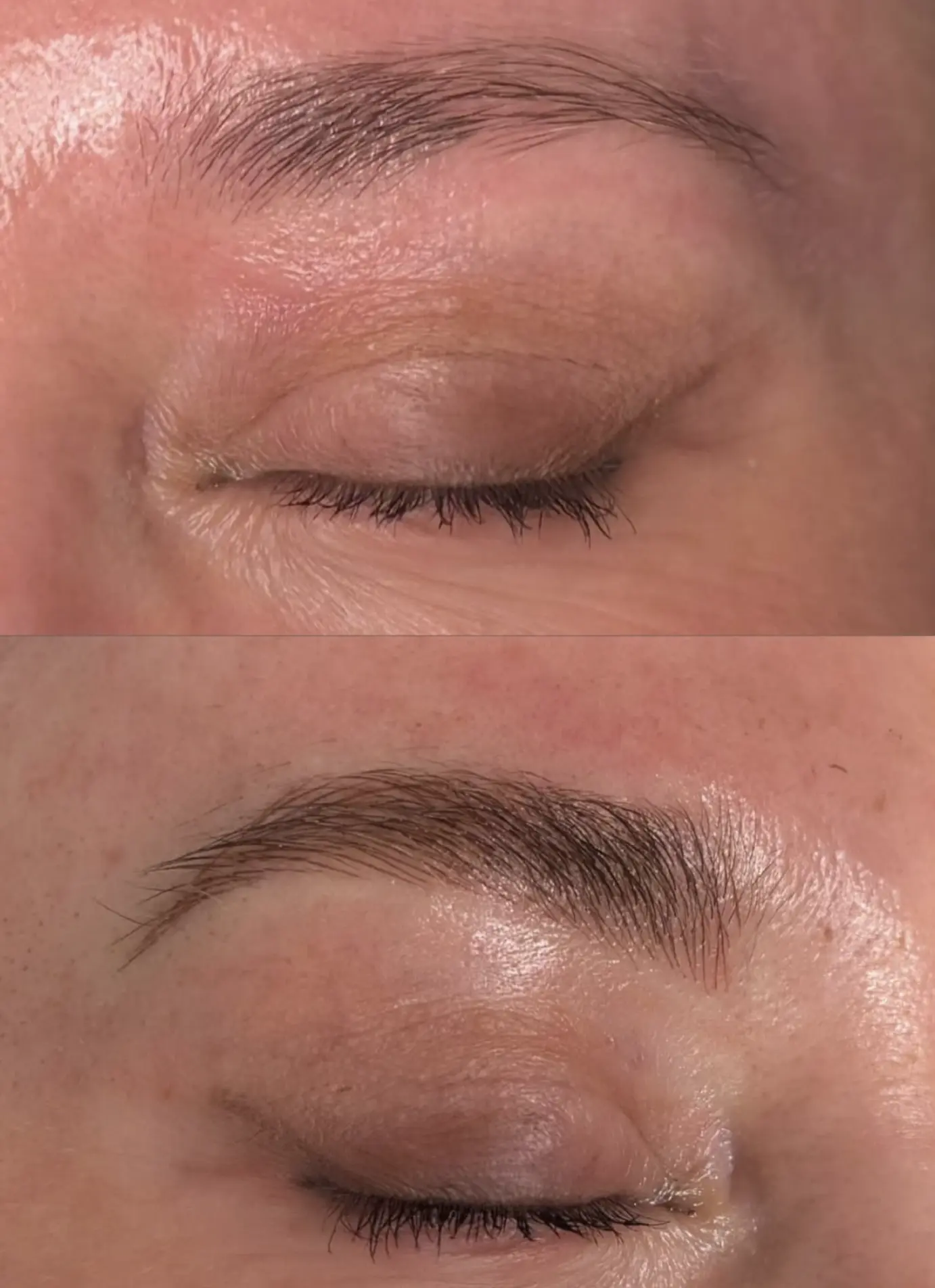
Hygiene Protocols Are The Foundation Of Your Business
If there’s one thing that sets a professional in this industry apart, it’s how seriously they take infection control.
When you’re working with skin penetration, you’re basically responsible for stopping the spread of infections and keeping your clients safe from disease.
In practice, that means doing some pretty simple but consistently excellent things:
- Washing your hands right before and after every client, every single time
- Making sure you’re using fresh, properly sterilised equipment
- Keeping every surface scrupulously clean between treatments
- Disposing of sharps properly so they don’t do anyone any harm
Even if you’ve got the best lip tattoo courses or the most advanced cosmetic tattoo training, it’s these basics that the regulators will be looking at.
At Cosmetic Tattoo Studio Melbourne Face Figurati, we run our operation on a seriously clinical standard. Every step of the way, it’s all about infection control and prevention – and if you get that right, trust builds faster than anything else.
How To Set Up A Treatment Room That Passes Inspection
I reckon this is where many artists go wrong – they get too caught up in styling the place instead of making it functional.
A compliant treatment room is all about what can be properly cleaned, not what looks good in Instagram selfies.
You need non-porous surfaces, equipment that’s easy to disinfect and a proper handwashing sink – not some half-hearted workaround.
I often tell my students:
“If you can’t wipe it down properly, it shouldn’t even be in the room”
Even places like colonic irrigation or flotation therapy follow strict hygiene rules, and now cosmetic tattooing is treated with the same level of seriousness.
What It Really Costs To Get Set Up Properly
Let’s be honest — this is where many people underestimate things.
Typical Setup Costs (AUD)
| Item | Estimated Cost (AUD) |
|---|---|
| Council Registration | $200–$500 |
| Infection Control Course | $150–$400 |
| Equipment & Setup | $1,000–$3,000 |
| Sink Installation | $500–$2,000 |
| Waste Disposal Services | $50–$150/month |
These are general estimates (2026), which may vary depending on suppliers and location.
Cutting corners here often leads to higher costs later.
What Makes Melbourne-Based Studios Slightly Different
Melbourne brings its own set of challenges – and some pretty sweet advantages.
The cold weather might slow healing, but the warmer months can be a bit of a nightmare if clients aren’t maintaining high hygiene standards. And to be honest, a lot of our clients have pretty sensitive skin, too, so extra care and attention are a must.
On top of that, our clients here are dead keen on doing their research. They’re asking all the right questions – about hygiene, pigments, procedures – the whole shebang. Which is great, because it means that our knowledge – not just our skills – is what really sets us apart.
I’ve had clients specifically choose Cosmetic Tattoo Studio Melbourne Face Figurati because they trust our standards – and that level of trust doesn’t come from a marketing gimmick, it comes from being consistent and thorough in our practice.
Why Education Now Goes Beyond Technique
The industry is changing – and fast.
It’s no longer enough just to learn the technique – you need to have your head in the game in terms of compliance and best practice.
Whether you’re doing a:
- Microblading course
- A microblading brow course
- Cosmetic tattoo training program
You also need to have your ducks in a row when it comes to:
- Infection control certification
- Understanding of hygienic practices
- Long-term outcomes
At Face Figurati, we’re all about integrating compliance into every program – from lip tattoo courses to fine line tattooing course modules – because being a pro is all about being a safe and responsible one.
The Most Common Setup Mistakes I Still See
I’ve seen these mistakes over and over again.
Some artists treat their space like a beauty room rather than a treatment room – it’s like throwing caution to the wind. Others think they can just wing it with documentation – and I mean, I get it, paperwork can be a drag. And then some really underestimate the risks of infection until it’s too late.
But the biggest mistake – the one that really gets me – is when artists think they can just put off compliance till another day.
“I’ll get around to it eventually” just won’t cut it for inspections.
Your Responsibility Doesn’t End After The Treatment
Even if you’ve set up shop and everything is running smoothly, your responsibility to your clients doesn’t end once the appointment is over.
You need to provide clear aftercare guidance and make sure they know what’s normal and what’s not.
We keep it nice and simple at the studio: “Keep it clean, don’t pick, avoid the sun”.
It’s pretty straightforward advice – but it makes all the difference in preventing complications.
Why These Changes Actually Help Serious Artists
It might seem like a hassle up front, but these regulations are actually a good thing.
They raise industry standards, protect clients, and make it easy for the good guys to stand out from the bad eggs.
And that’s a win for everyone who takes their work seriously.
At Cosmetic Tattoo Studio Melbourne Face Figurati, they were we’ve built our reputation on those principles – and we’re not stopping anytime soon.
Final Thoughts: Is It Still Worth Starting From Home?
Absolutely – but only if you do it right.
These regulations aren’t barriers – they’re just the minimum standard for running a safe and professional business.
If you’re willing to put in the work to meet that standard – and not just comply – you’ll stand out in a crowded industry.
FAQ
Do I need council approval before I can see clients?
Yeah, you do – it’s a requirement.
Can I set up a space without a sink in the room?
Not a chance – a proper handwashing facility is a must for hygiene compliance.
Do I need certification if I’ve already got experience?
Yes – even if you’ve been around the block a few times, you still need to get proper infection control training under your belt.
Will I get inspected more than once?
Yeah, you probably will. Inspections can occur at the beginning and periodically after you receive approval.
Can I offer multiple services from the same space?
Yeah, but all the services have to be held to the same high standards – that means hygiene and compliance have to be on point.