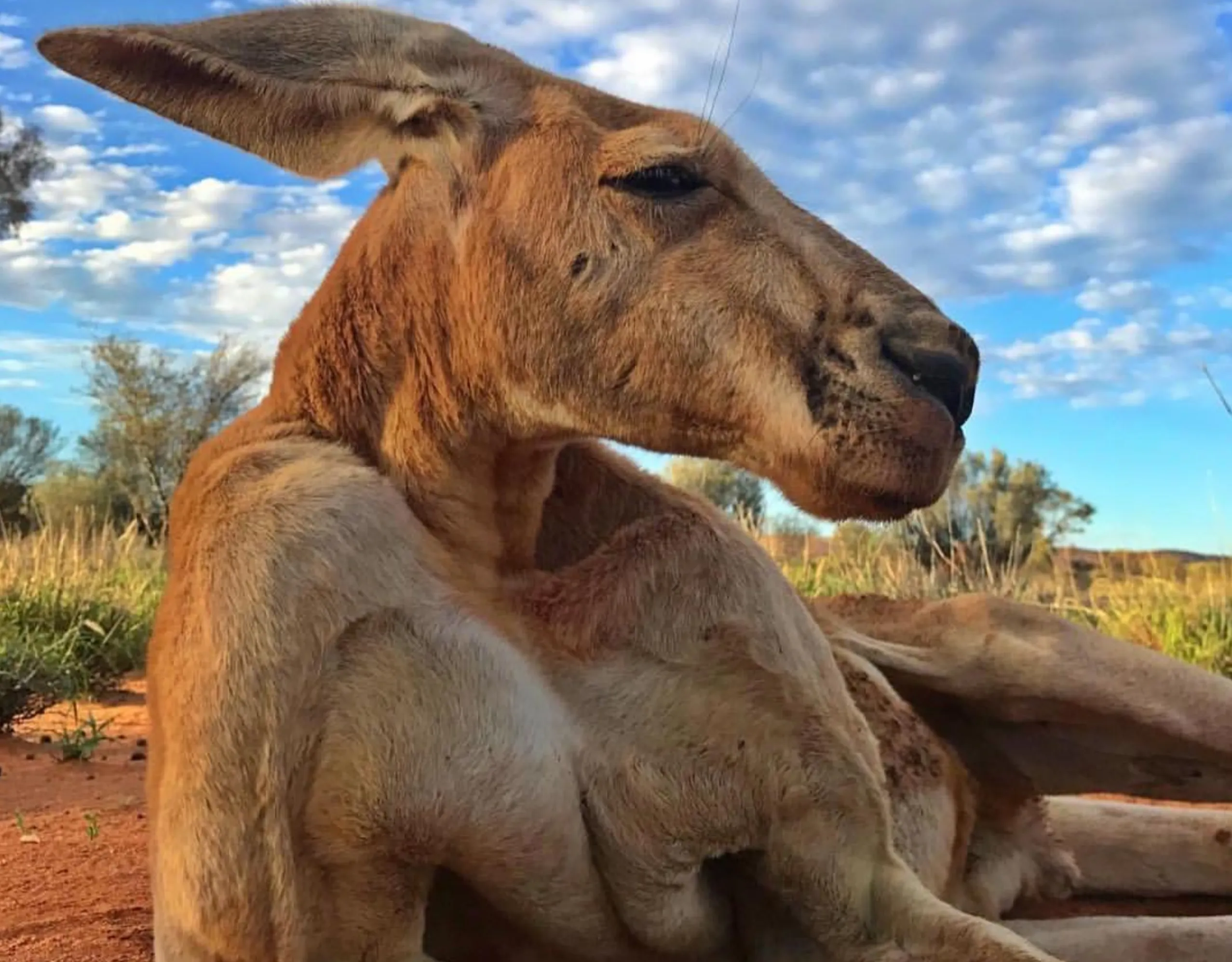

Where can you see kangaroos in the wild in Australia? The short answer is just about anywhere you won’t be stuck in the middle of one of the big cities. Kangaroos can be found hopping all over the place – from coastal national parks just outside of Sydney to dusty stations deep in the heart of the Red Centre. Head out to open grasslands, national parks, or farmland at dawn or dusk, and you might just catch a glimpse of a mob of wild roos plodding about, quietly munching on some grass in their natural home.
This guide is gonna walk you through the top spots to see kangaroos in the wild, when to spot them best, and a few helpful tips that’ll keep you from wandering around an empty field wondering where all the roos have gone.
Why These Marsupials Thrive Across Vast Landscapes
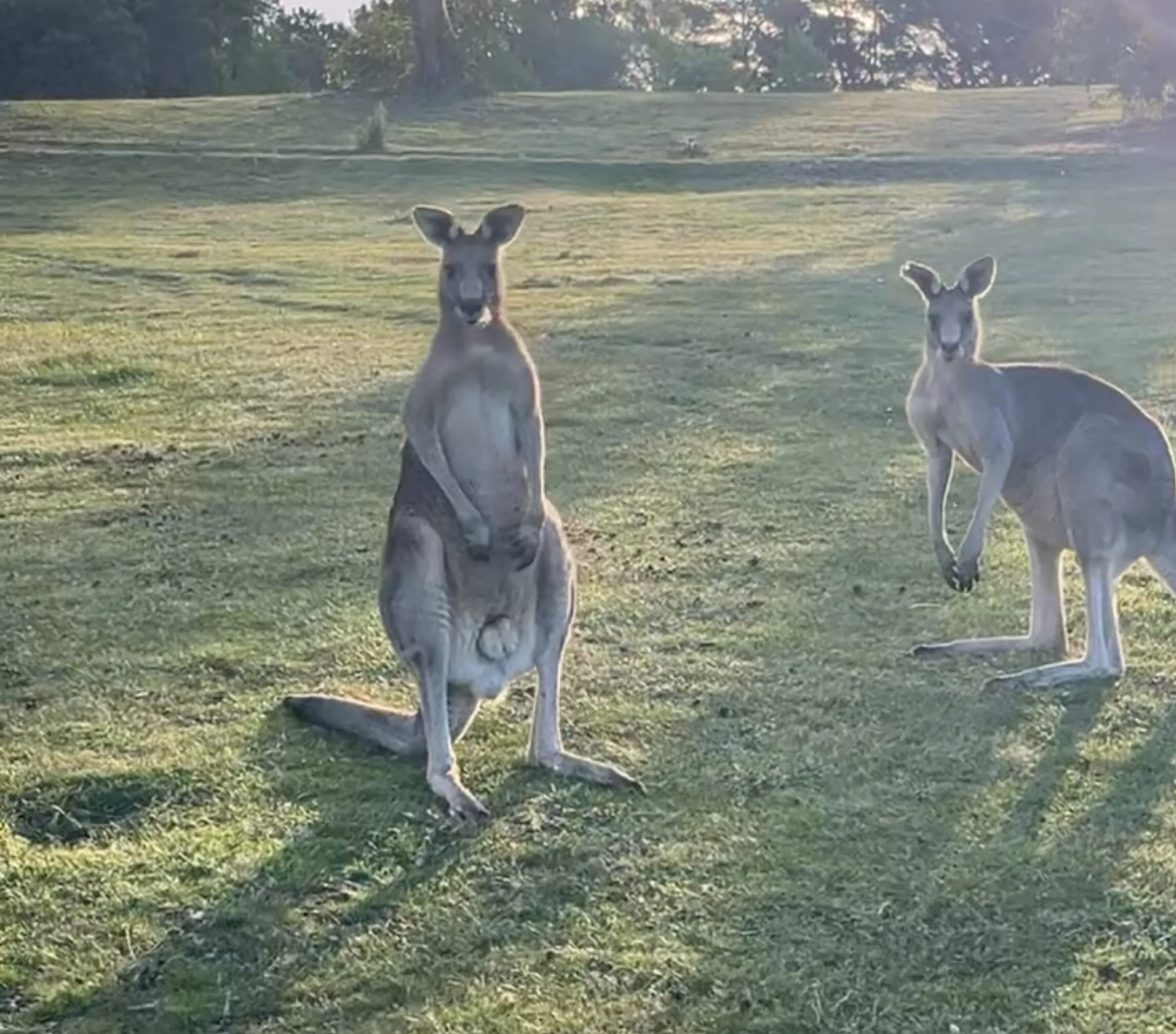
Kangaroos do so well in Australia because the landscape is perfect for them – loads of open space, grasslands, bush and space to just keep on hopping. Their populations cover pretty much everything – deserts, coastal forests, farmland, protected wild areas and everything in between.
You don’t need to organise some crazy expedition or go on a fancy wildlife tour to see them. If you know when and where to go, spotting a roo becomes part of your regular travel experience.
Kangaroo Numbers In Australia
Species Estimated Population Typical Habitat Best Regions
Red Kangaroo ~12–20 million Arid plains and desert Northern Territory, SA, WA
Eastern Grey Kangaroo ~16 million Coastal forests and grasslands NSW, QLD, VIC
Western Grey Kangaroo ~5–7 million Woodlands and scrub WA, SA
Antilopine Kangaroo ~2–3 million Tropical savannah Northern Australia
Population estimates of kangaroos can vary depending on weather & wildlife surveys, which tend to decline in poor seasons. Australia’s total kangaroo population can actually easily exceed 40–50 million animals, according to wildlife management reports from various states & ecological studies.
In short, leave the cities behind & head for the bush, and you pretty much have a good chance of finding a mob.
Coastal And Mountain Parks With Reliable Roo Sightings
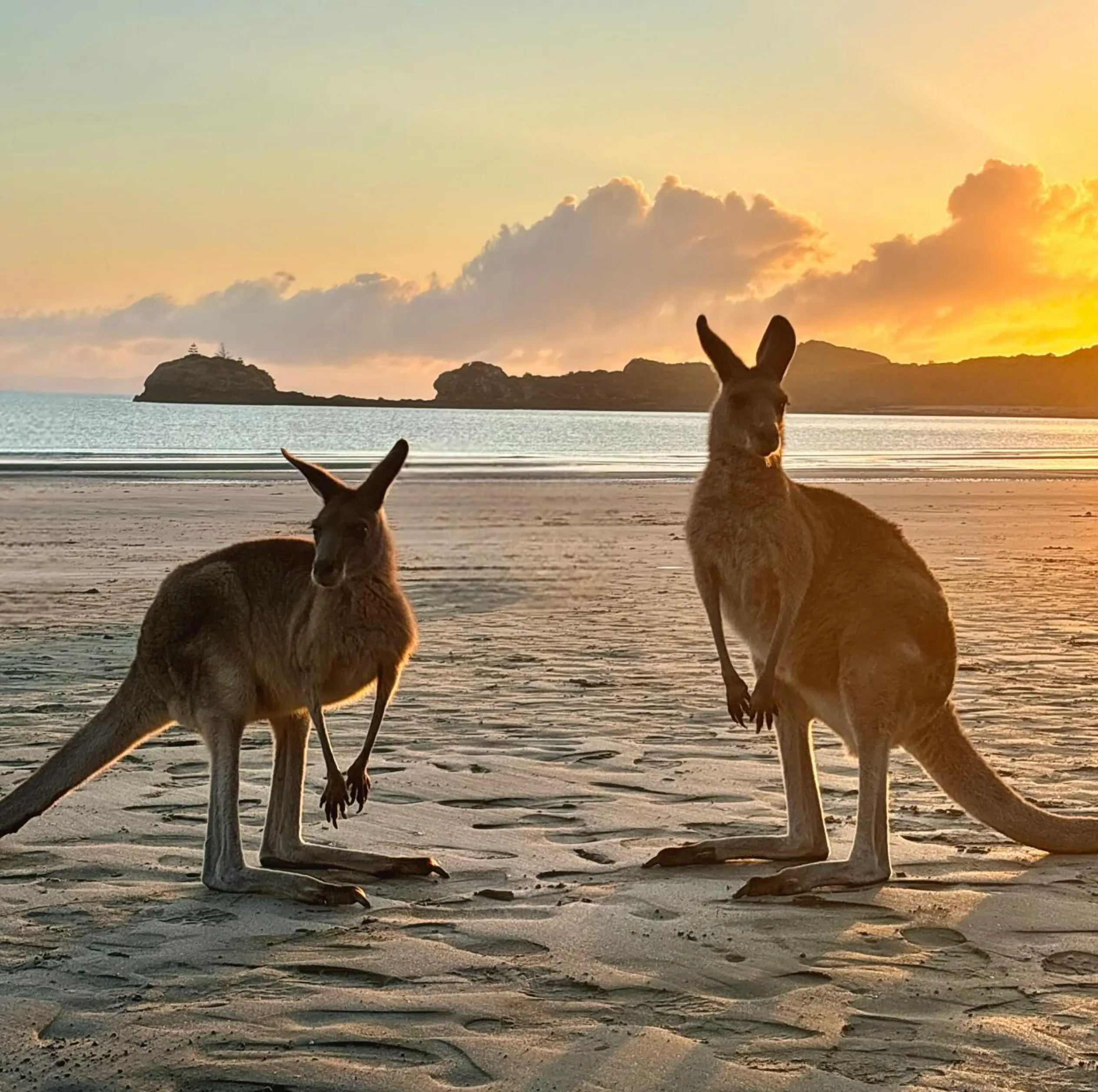
National parks are massive and protect huge tracts of habitat, so they’re great places to see wild kangaroos just roaming about.
Pebbly Beach And Murramarang National Park (New South Wales)
You can’t go past the country’s most famous kangaroo viewing spot – Pebbly Beach in Murramarang National Park, just north of Jervis Bay. There, Eastern Grey Kangaroos munch on the grassy headland just a few metres from the beach. It’s like you’d scripted the scene – kangaroos simply lounging while the beach waves roll in behind them.
Next door, Booderee National Park is another top spot for wildlife viewing, especially in open forest & coastal clearings.
Blue Mountains And Outer Sydney Wildlife Areas
West of Sydney, though, the Blue Mountains have some well-known kangaroo viewing areas. One of the best is Euroka Clearing – a huge grassy valley floor inside Blue Mountains National Park. Kangaroos often gather there to feed, especially near Euroka Campground.
The surrounding bushland also has Red-necked Wallabies and Swamp Wallabies. If you go a bit further out – say towards the limestone caves around Jenolan Caves or try staying at Jenolan Caves Cottages, you’ll hear about wildlife sightings along quiet access roads at dusk.
Out further still, the open grasslands of Megalong Valley are as good as anywhere for kangaroo spotting.
Flinders Ranges And South Australian Outback
South Australia has another great spot for watching kangaroos in the wild. The rugged terrain of the Flinders Ranges is home to red kangaroos and wallaroos roaming across the rocky hillsides.
Off the mainland, Kangaroo Island is one of the most reliable wildlife destinations in the country. Inside Flinders Chase National Park, kangaroos roam freely through coastal woodland and open heathlands.
Wildlife Encounters Surprisingly Close To Major Cities
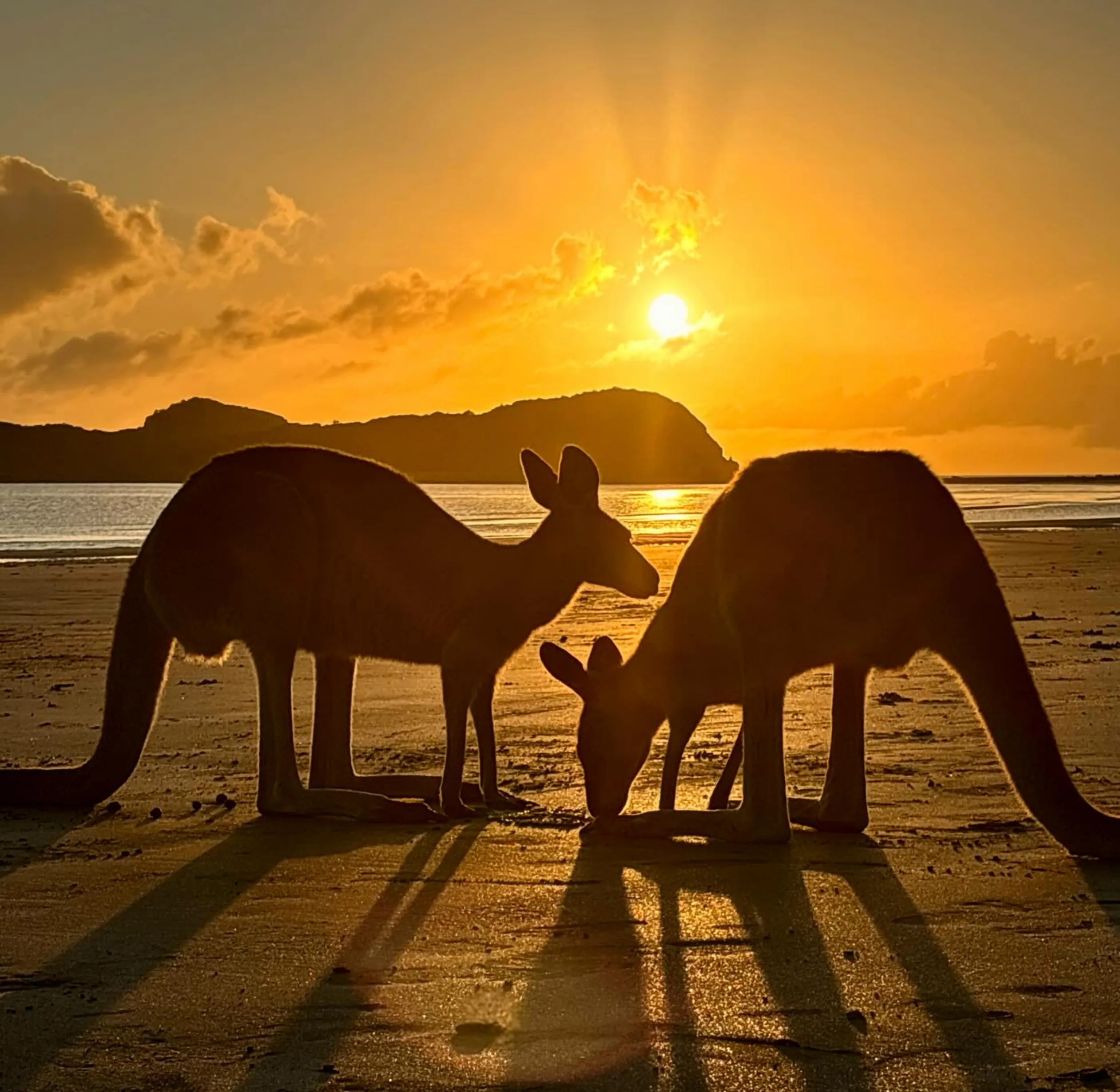
Loads of people assume kangaroos live only out in the remote wilderness. But in reality, some of the best sightings actually happen pretty close to urban areas.
Canberra — The Kangaroo Capital
You don’t have to go all the way out of town to see kangaroos in Canberra; actually, it’s probably the easiest place in the country to see them without leaving the city. Bushland reserves within Canberra are providing a good habitat – particularly around Mount Ainslie, where mobs of them often graze on the lower slopes.
Because large parts of the city are still surrounded by native woodland, wildlife can easily move between the reserves.
Coastal Towns And Wetland Reserves
Out in Queensland and northern New South Wales, kangaroos often live in coastal wetlands and bushland reserves. The protected Coombabah Wetlands on the Gold Coast are pretty well known for wildlife sightings, including roos and wallabies roaming close to walking tracks.
Even in busy places like Surfers Paradise, if you take a drive out to some of the quieter bush reserves nearby – roads like Shelter Road or Pine Ridge Road, for example – you’ll have a pretty good chance of spotting some roos grazing early in the morning.
Regions With Strong Chances Of Wildlife Encounters
Different bits of Australia are home to different types of critters. If you’re planning a trip around wildlife spotting, you’ll want to head to these regions – they’re your best bet.
New South Wales Wildlife Hotspots
NSW has some of the most laid-back kangaroo encounters for travellers. You’re pretty likely to see ‘roos in the open farmland and forest edges around Kangaroo Valley, in the vineyards of the Hunter Valley, or along the coastal grasslands near Port Stephens.
If you venture up to northern Sydney, Ku-ring-gai Chase National Park has some sizeable patches of bushland where kangaroos and wallabies are still roaming free. The Fern Glen Walking Track is one of the routes you can take, and it’s not unusual to catch a glimpse of wildlife flitting between the forest edges.
As you head south along the coast, spots like Caves Beach are also home to kangaroo populations where the bush meets the beach.
Tasmania’s Kangaroo And Wallaby Country
Tasmania offers a slightly different experience. While the huge red kangaroos that are a mainstay of the mainland aren’t found here, there are loads of smaller macropods about.
The grasslands of Narawntapu National Park are famous for wildlife sightings and are sometimes called “Tasmania’s Serengeti”. Not far away, the alpine landscapes of Cradle Mountain–Lake St Clair National Park are home to red-necked wallabies and other marsupials roaming through the clearings.
Western Australia’s Coastal Landscapes
WA is home to some real wildlife viewing highlights. At Lucky Bay in Cape Le Grand National Park, it’s not an unusual sight to see kangaroos taking an afternoon nap on the beach, which is a pretty natural behaviour in this quiet corner of the coastline.
In the city, the small reserve of Heirisson Island is a protected habitat for kangaroos right in the Swan River.
Across the wider Eyre Peninsula, you’ve got remote grasslands and coastal scrub that are home to healthy kangaroo populations.
Best Time Of Day To See Marsupials
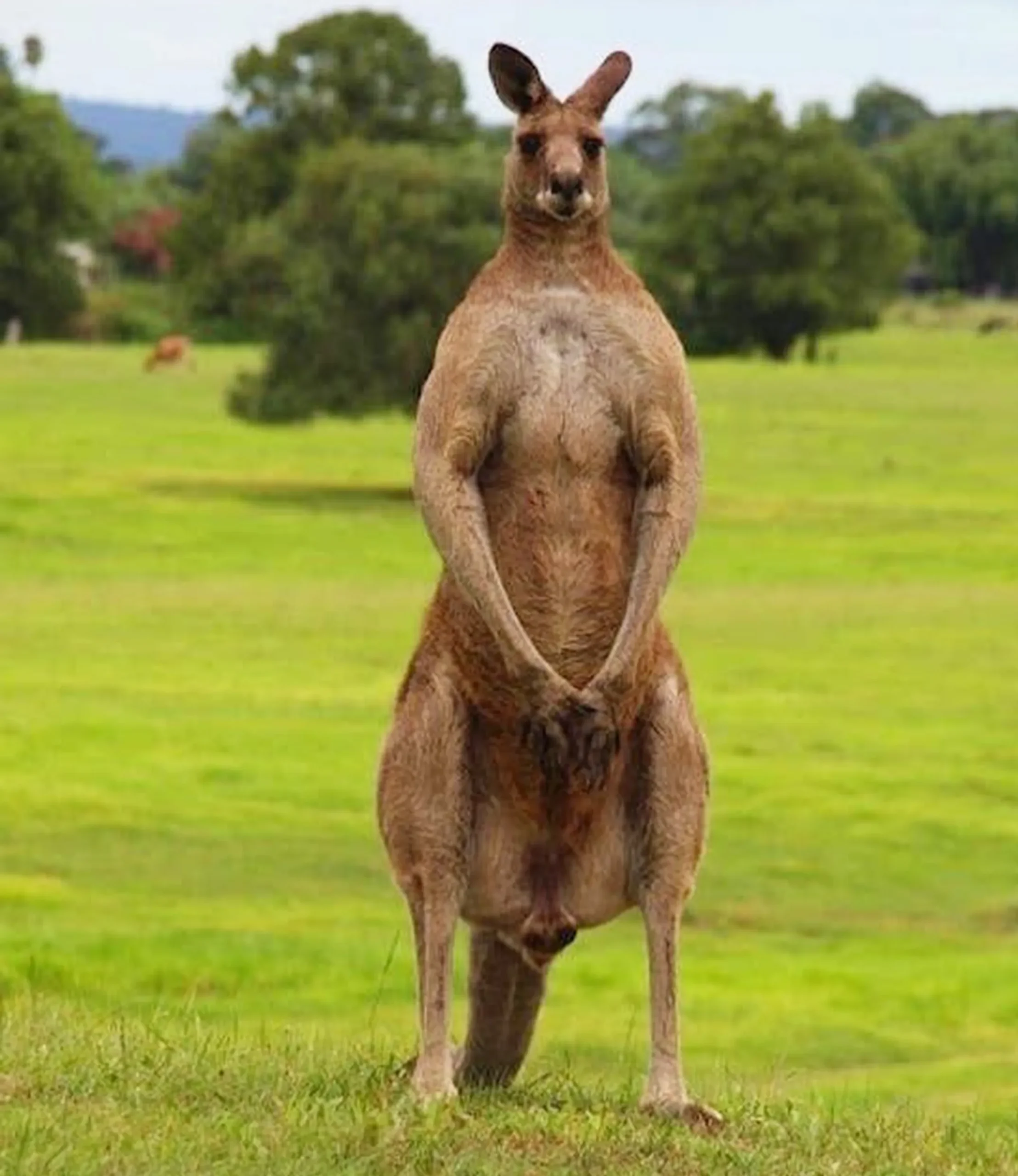
Kangaroos are crepuscular critters, meaning they’re most active when it’s cooler outside.
Prime Roo Spotting Time
Early morning (5-7 am, depending on the season) – that’s when the bush really comes to life.
Late afternoon/sunset – the sun’s going down, the roos are getting active.
Sightings during the middle of the day do happen, but generally, most kangaroos are snoozing in the shade to avoid the heat. If you’re serious about wildlife watching, try planning your walks around sunrise – that’s when the bush really starts to wake up.
Seasonal Conditions That Influence Wildlife Sightings
The time of year can really impact when and where you spot kangaroos.
Dry Season In Northern Australia
In the dry season, wildlife tends to congregate around water sources – and when that happens, seeing them is a lot easier. The roads are clear, the mornings are cooler, and wildlife viewing is a real treat.
Wet Season In The Tropics
Heavy rainfall spreads the critters out across wider areas. Unfortunately, that means some tracks may be closed due to flooding, but you can still see wildlife up on higher ground.
Cooler Months In Southern Australia
In southern regions like NSW, Victoria and South Australia, the cooler winter months mean the kangaroos can stay active for longer during the day. That makes mid-morning sightings possible in places like the Blue Mountains, Hunter Valley, or Kangaroo Island.
Roo-Watching Gear Checklist
If you want to appreciate a kangaroo sighting properly, bring some basic gear along.
Wildlife viewing kit
Binoculars – can’t go past ’em for seeing wildlife at a distance.
A camera with a zoom for capturing those prime moments.
Hat and sunscreen – sun protection is a must.
Water bottle – stay hydrated.
Insect repellent (not just for the roos, mind you – mozzies love sunset too!).
Optional extras:
A field guide to Australian wildlife – for learning more about what you’re seeing.
A small torch for early starts – because spotting critters at sunrise can be a real treat.
Respectful Behaviour
Kangaroos may look like they’re just hanging out, but they’re actually very strong animals with some seriously powerful hind legs and sharp claws to match.
To keep those powerful legs and claws at bay, follow these straightforward rules:
Keep at least 10 metres distance
Never feed wild kangaroos
Do not approach mothers with joeys
Drive carefully at dusk — kangaroo collisions are common on rural roads
If you are out for a quiet walk in the bush – especially in places like the stunning Megalong Valley or Ku-ring-gai Chase National Park – just give the animals plenty of space and let them wander off without any hassle.
Want to get up close and personal with the wildlife while learning more about the local ecosystem and conservation efforts? Try a guided wildlife tour in Australia with Wildlife Tours – they can help you do it all responsibly.
Final Thoughts From The Bush
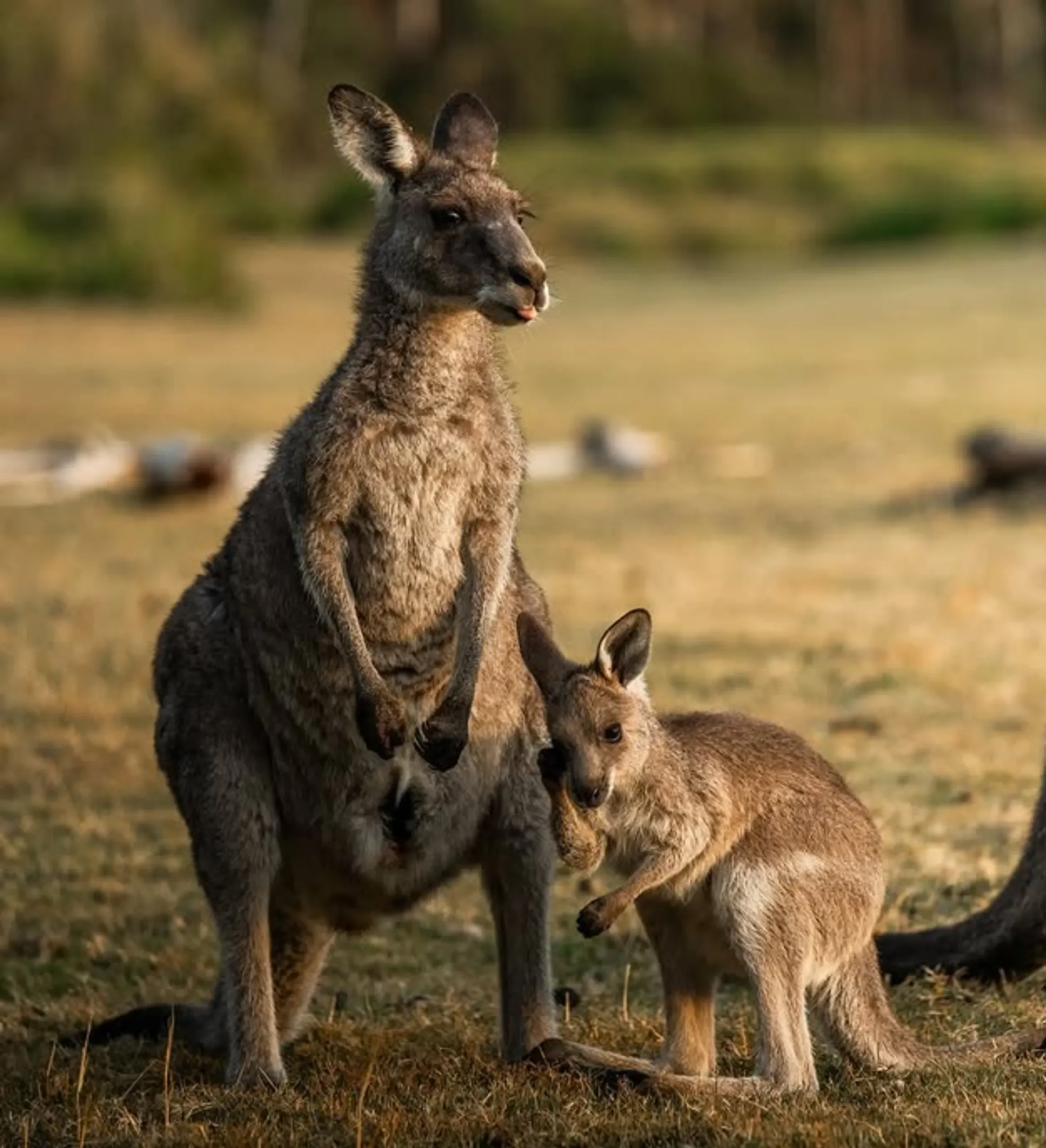
If you’re wondering where to see kangaroos in the wild in Australia, the answer is not that complicated, really – just step outside the cities, find some open grassland or bush edges and go for a stroll at sunrise.
From the beaches of Pebbly Beach and the rugged Blue Mountains to the wilds of Kangaroo Island, Narawntapu National Park and quiet country farms in the Hunter Valley, kangaroos call heaps of different landscapes home.
Some mornings you’re wandering through the bush, and it’s all just gum trees and birds – but then, just as the mist is clearing off, a mob of kangaroos just materialise out of the fog and start grazing like they’ve been there all night.
FAQ
What Are The Best Places To See Kangaroos In Their Natural Habitat?
You know the ones: Pebbly Beach, Blue Mountains National Park, Kangaroo Island, the Flinders Ranges, and the bush reserves around Canberra.
Are There Places To See Kangaroos Near Sydney?
Yep. Places like Euroka Clearing, Ku-ring-gai Chase National Park, and bits of the Blue Mountains have got kangaroo populations.
What Time Of Day Do Kangaroos Feed?
They tend to graze during the cooler bits of the day – especially early morning and late afternoon.
Is It Okay To Approach A Kangaroo?
Nope. You should be observing ’em from a safe distance. Getting up close or feeding ’em can just stress ’em out and create a bunch of problems.
Do Kangaroos Live In Town?
Yeah, they do. You can find ’em in bush reserves and conservation areas near cities like