
If you’ve ever sat through a brow tattoo and thought, “Blimey, that hurt more than last time,” you’re not alone. One of the most common questions I get in the Cosmetic Tattoo Studio Face Figurati is whether Do cosmetic tattoos hurt more as you age. And the short answer? Sometimes. But not for the reasons you might think.
Whether you’re considering a lip blush tattoo in your 50s or finally treating yourself to eyeliner tattooing after years of daily makeup, age brings changes to the skin, and those changes do affect how we feel during tattoo procedures.
So let’s break it down. No fluff, no filter. Just real talk, backed by experience, skin science, and what we see in the treatment room every week, a go-to destination for Cosmetic Tattoo Melbourne clients who value comfort, results, and honesty.
It’s not just about age
Getting a cosmetic tattoo at 25 is a different experience from getting one at 65. But the pain part? It’s less about the candles on your cake and more about what’s happening underneath the surface, like skin type, dermal layer condition, and how well the skin stays hydrated.
Here’s why cosmetic tattoos might feel more painful as we age:
- Thinner skin: As oestrogen levels drop, skin loses collagen, becoming thinner and more fragile.
- Lower pain threshold: Our nervous system changes over time, and many people report higher sensitivity with age.
- Medical conditions: Autoimmune issues, chemo treatments, or chronic pain can all affect sensation and healing.
- Dry skin or oily skin: Both can be tricky — dry skin reacts more, and oily skin can resist pigment.
- Medication: Blood thinners or certain prescriptions can increase bruising and healing time.
- Sun exposure: Cumulative sun damage makes the upper layers of the skin less resilient.
It’s not doom and gloom — it just means your cosmetic tattoo artist needs to work with your skin type, not against it.
Ageing and your skin’s barrier
Think of your skin as the canvas for permanent makeup. When we’re younger, that canvas is plump, firm, and forgiving. With age, it gets a little more delicate — and a lot more vocal about what it likes and doesn’t.
Here’s what changes:
- Collagen and elastin decline: Skin becomes less bouncy and more prone to trauma from cosmetic tattooing.
- Slower regeneration: Healing time increases, and skin diseases may become more noticeable.
- Pigment retention drops, Especially for decorative tattooing and cosmetic tattoo pigments.
- Drier skin: Reduced oil production and hydration make the skin more reactive.
We’ve seen this in clients who’ve returned for regular touch-ups — even the same cosmetic tattoo eyeliner or eyebrow tattoos can feel different 10 years later due to changes in their cosmetic tattooing experience and overall skin health.
Tattooing techniques for mature skin
Not all cosmetic procedures are created equal, and mature clients require more than a copy-paste approach.
Our approach to ageing skin:
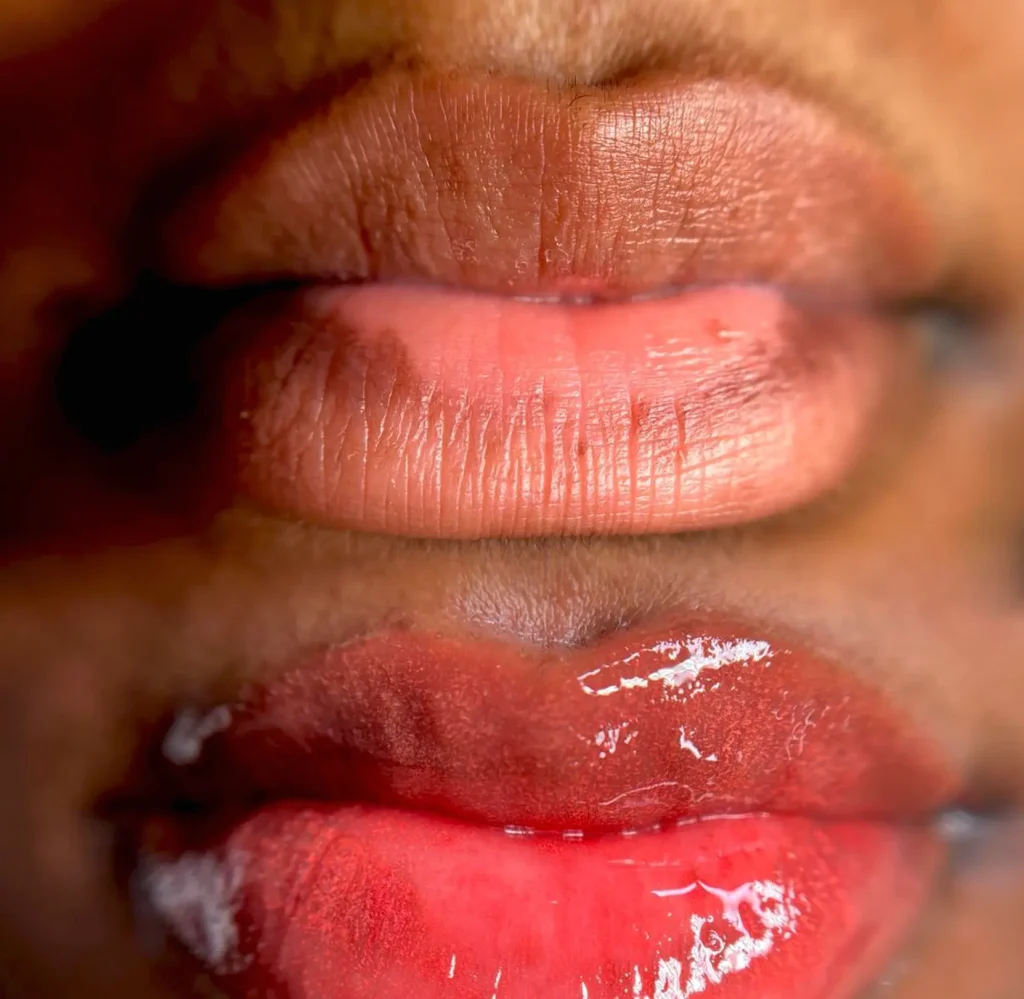
- Use gentler machines or handheld tools with low vibration
- Select specialised pigments like titanium dioxide-free formulas
- Choose softer pigment colours that suit natural hair tones and subtle enhancements
- Apply numbing agents in two stages for a more comfortable experience
- Use advanced tattooing techniques like powder brows or combination brows for natural results
Whether you’re seeing a cosmetic tattooist for the first time or revisiting after years, the key is choosing a cosmetic tattooing artist who understands mature skin and doesn’t rush the process.
We also assess individual hairs, brow powder density, and even past eyebrow tattoo cover-up work before beginning the cosmetic tattooing session.
What hurts more with age (and what doesn’t)?
Pain levels are personal. But from eyeliner tattoos to scalp micropigmentation, some areas just sting more as the years go on.
| Tattoo Area | Feels More Painful with Age? | Why It Matters |
|---|---|---|
| Eyeliner Tattoos | Often, yes | Sensitive skin, cosmetic eyelid tattooing procedure involves delicate skin, prone to swelling |
| Lip Tattoo | Yes | More nerve endings, dryness, and longer healing time |
| Eyebrow Tattoos | Sometimes | Depends on sun exposure and pigment depth |
| Scalp Micropigmentation | Yes | Hairline & Scalp Micropigmentation reacts to thinner skin and vascular density |
For older clients, even subtle lash enhancement can feel like a big deal, especially when pigment is deposited into the upper layers near lash lines.
Ageing skin needs different prep and care
Supporting mature skin through cosmetic tattoo services means starting well before the needle touches skin.
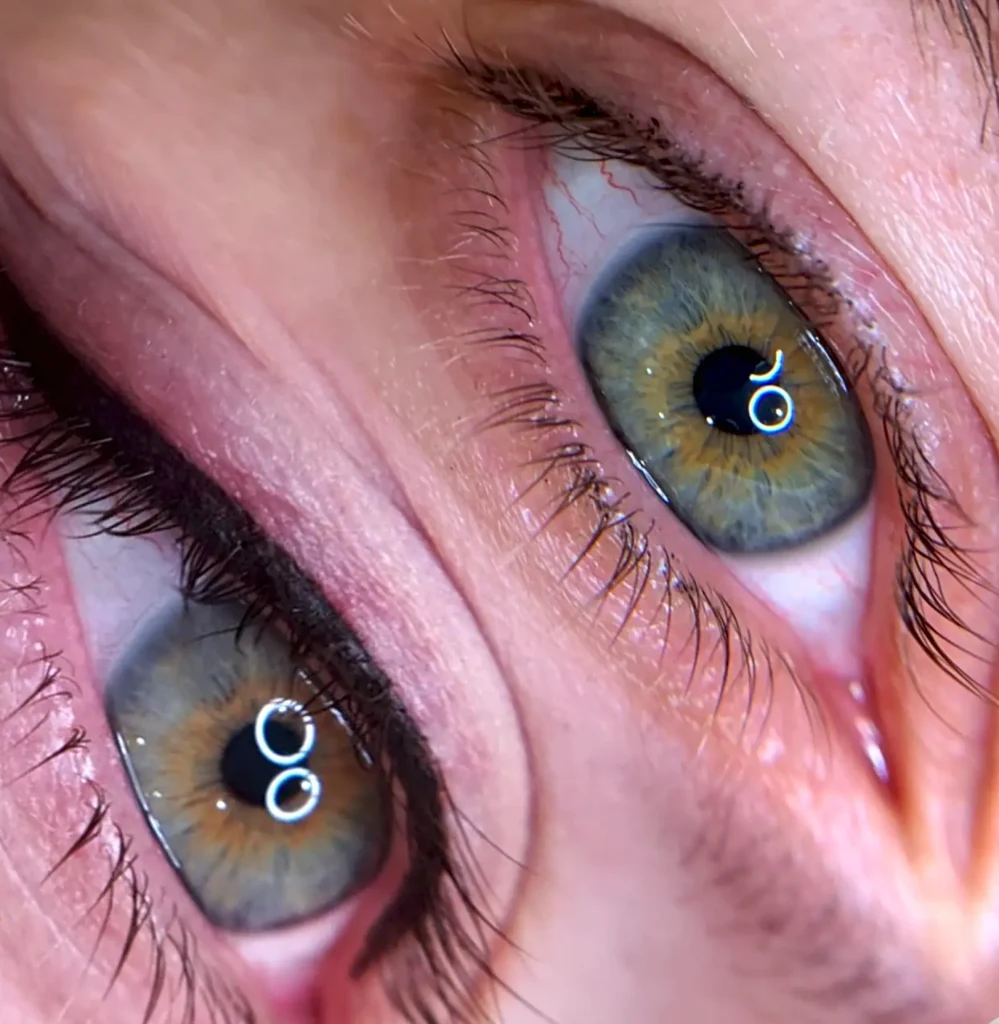
Pre-procedure tips:
- Stay hydrated — hydrated skin = better ink uptake
- Avoid blood thinners and alcohol (check with your doctor)
- Skip retinol or exfoliants for 5-7 days
- Do a patch test if you’ve had recent allergic reactions, infectious diseases, or chemo treatments
During treatment:
- Use medical-grade numbing agents
- Allow more time for the numbing to absorb
- Communicate pain levels honestly with your cosmetic tattooist
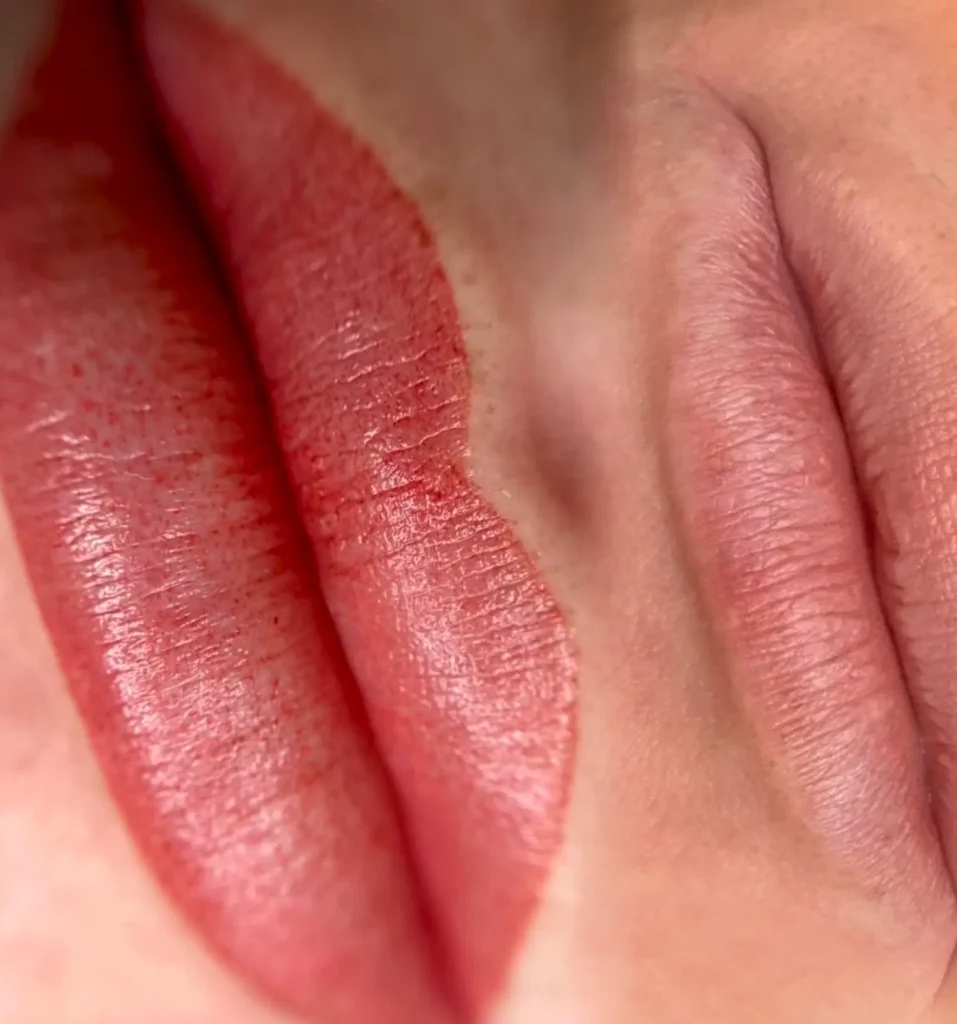
Aftercare instructions:
- Keep skin clean using fragrance-free makeup remover if needed
- Apply only quality salon-grade products for healing
- Avoid eyelash extensions, sun exposure, and cosmetic products on the treated area
- Don’t over-clean or over-moisturise — keep the skin balanced
- Expect the healing to last 2nd week to 4-8 weeks, depending on age and skin type
Poor aftercare or rushing touch-up sessions too soon can lead to complications of eyelash or eyebrow tattooing, especially in mature skin.
What the data says: trends in cosmetic tattoo pain and age (2025 update)
The 2025 Cosmetic Procedures & Permanent Makeup Trends report revealed:
- 22% increase in eyeliner and lip tattoos in clients aged 45+
- 63% of over-55s reported increased pain levels or longer healing from permanent makeup procedures
- 88% satisfaction rate when technicians used treatment options adapted for sensitive skin or poor healing
Trendy styles like powder brows and subtle enhancements like cosmetic tattoo eyeliner are gaining ground, especially among beauty enthusiasts looking for long-lasting results without the daily hassle of applying cosmetics.
Final thoughts
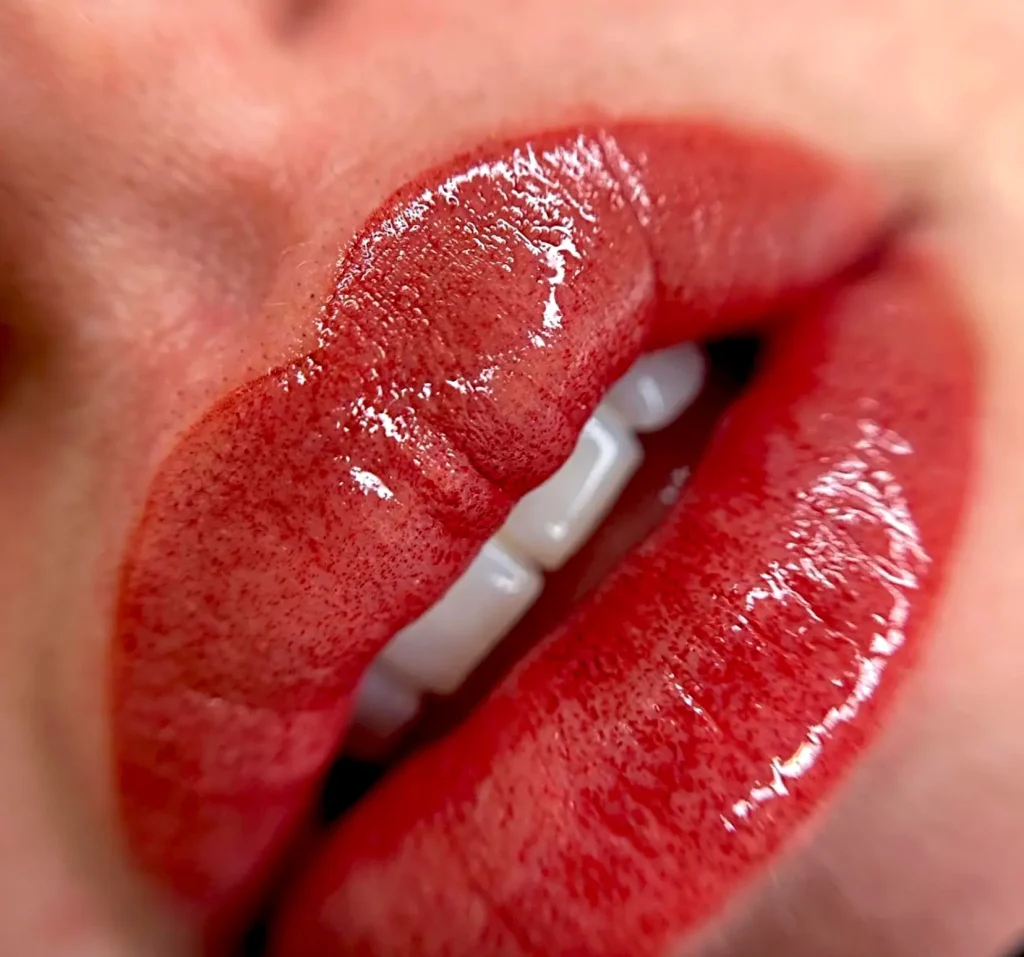
Cosmetic tattooing can be one of your best ageing-up secret weapons. With skilled technician support, safe pigments, and proper aftercare, the results are absolutely worth it.
If you’re navigating issues with wound healing, worried about poor healing, or just unsure of the type of ink used in older procedures, we can help. Whether it’s laser tattoo removal, eyebrow tattooing refinement, or switching to a lighter shade, there’s always a path forward.
Let’s not forget: bad brows or botched eyeliner from an inexperienced technician can be corrected. You deserve results that reflect your natural beauty and fit your lifestyle.
FAQs
Do numbing creams work as well on mature skin?
Older skin may take longer to absorb anaesthetics, especially in drier skin. Applying in stages can improve absorption and minimise discomfort.
Can I get a cosmetic tattoo while managing health conditions?
Yes — but always consult your GP, especially if you have skin diseases, are undergoing chemo, or are prone to infectious diseases or chronic pain.
Will my tattoo fade faster due to sun exposure or ageing?
Yes. Sun exposure, thinner skin, and natural fading mean periodic touch-ups are recommended to maintain natural brows or permanent eyeliner tattoo clarity.
What’s the difference between traditional tattoos and permanent cosmetics?
Traditional tattoos go into deeper layers with Black tattoo ink, while cosmetic tattooing stays in the upper dermal layer and uses specialised pigments.
What if I’ve had poor results from an inexperienced artist in the past?
Seek help from experienced technicians or cosmetic tattoo artists who offer cosmetic tattoo removal, advanced techniques, and corrective beauty treatment services.